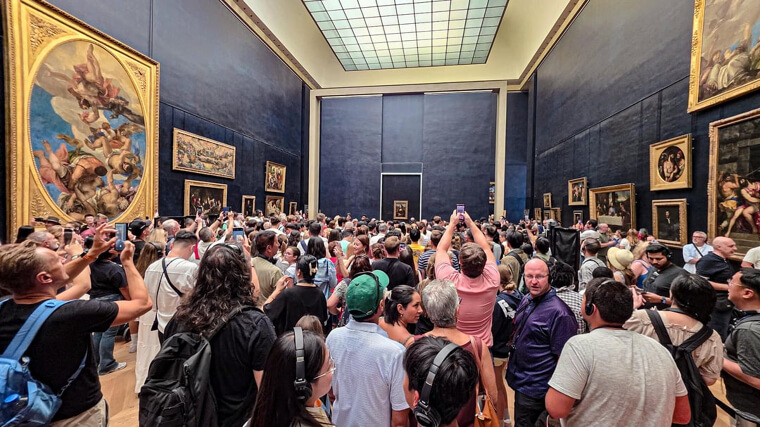
The Louvre Museum, Paris (Mona Lisa)
The Louvre is immense and beautiful, but the primary regret is the focus on the Mona Lisa. Visitors spend a significant amount of time navigating the vast museum wings only to find themselves herded into a chaotic, pushing crowd where they can barely glimpse the small painting from thirty feet away, usually over the heads of dozens of people. The intense crowding and the disappointment over the painting's size and distance make the entire effort feel anticlimactic. The rest of the Louvre is filled with masterpieces you can enjoy up close in relative tranquility. The lesson here is that focusing on the museum's most hyped attraction is a waste of time and energy. Skip the line for the Mona Lisa and instead enjoy the Greek and Roman sculptures or the magnificent halls of French painting, where you can actually sit down and absorb the art.
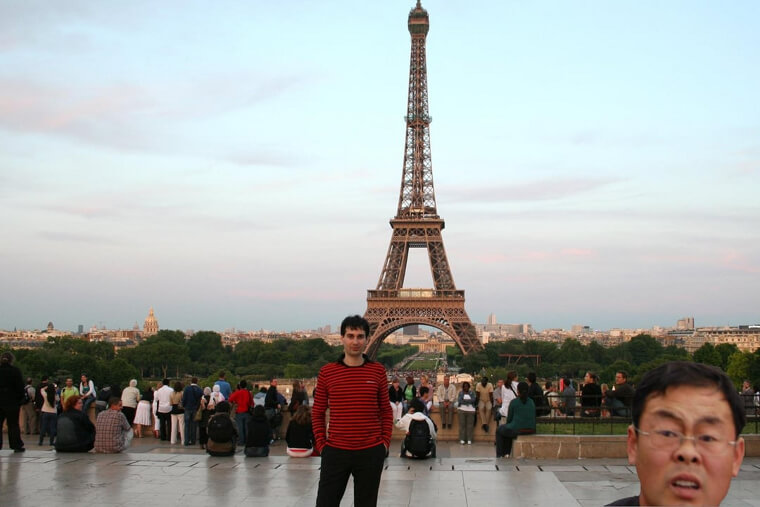
The Eiffel Tower Summit, Paris
While the Eiffel Tower is the iconic symbol of France, the climb to the summit often becomes a major travel regret. The sheer time commitment is immense. Between security, the ticket line, the line for the first lift, and the separate line for the final lift to the very top, the process can easily consume half a travel day, particularly in peak season. Older travelers often find the extended standing time exhausting and the summit itself overcrowded and windy, offering a view that is not substantially better than the much more accessible viewing platform on the second floor. The mistake is confusing proximity with quality; the best view of Paris is often found including the Eiffel Tower, not standing on it. A superior, low-wait alternative is the terrace of the nearby Montparnasse Tower, which offers panoramic views and comfortable indoor seating.
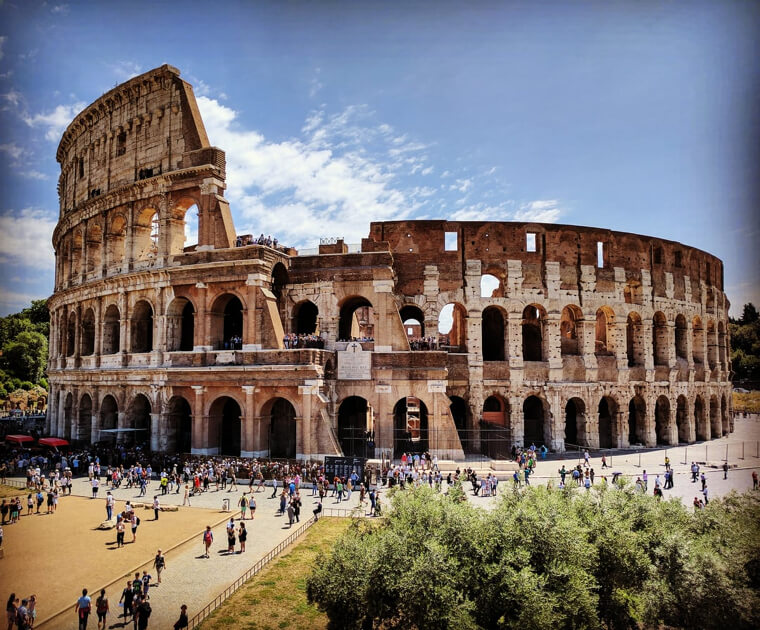
The Colosseum's Interior, Rome
Seeing the exterior of the Colosseum is essential, but paying to enter and navigate the ruins is frequently cited as a disappointment. The lines, even with pre-booked tickets, are notoriously long, and once inside, the heat and complexity of the site are overwhelming. The interior experience largely involves navigating steep steps and confusing paths, offering views that can be poorly understood without an expensive, specialized guide. The sheer physical effort required to traverse the entire structure often leaves older visitors feeling exhausted rather than inspired. The key takeaway is to appreciate the architecture from the outside. The most impressive views of the structure and its scale are available from the adjacent Roman Forum and Palatine Hill, requiring less physical stress and less time stuck in direct sun exposure.
The London Eye, London
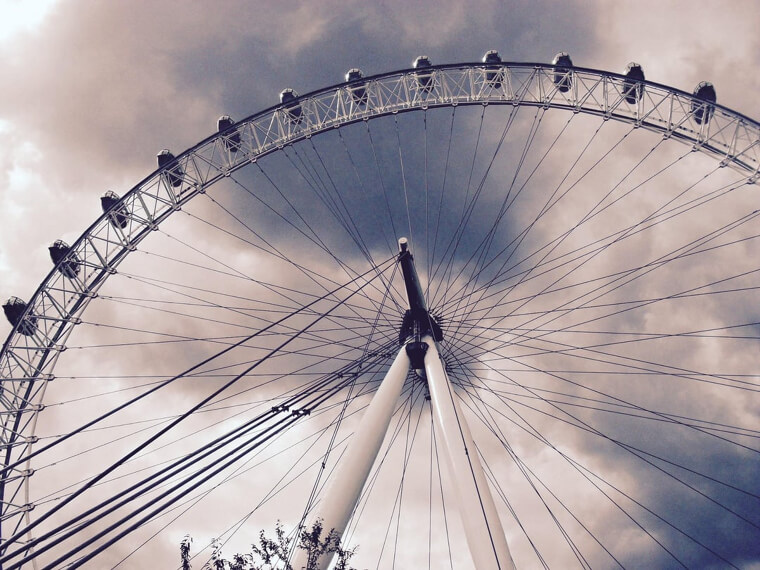
The London Eye is a massive, modern Ferris wheel offering a slow rotation and decent views of the cityscape, but it is a classic example of a high-cost, high-wait activity that delivers diminishing returns. The long queue time, spent mostly exposed to the elements, can be painful on the joints and feet. Once inside the capsule, the slow rotation means the experience is less about sightseeing and more about spending thirty minutes in an enclosed space with a large group of strangers. Visitors consistently report that the view is simply not worth the ticket price or the two-hour total commitment. For better views with zero queue time, consider visiting the viewing platform at The Shard or finding a rooftop bar with a similar perspective, allowing you to enjoy the skyline while comfortably seated.
Anne Frank House, Amsterdam
This poignant museum is undeniably important, but the sheer logistical challenge of visiting it makes it a top regret for older visitors. Tickets must be booked online months in advance, and even with timed entry, large crowds mean the visitor is shuffled slowly through the tiny, cramped annex space. The emotionally difficult material is presented in an environment that is physically restrictive, requiring slow movement up very steep, historic staircases. The combination of intense crowding, steep climbs, and the need for prolonged standing in narrow halls makes the experience physically and mentally draining, which can detract from the intended impact of the site. Unless you are highly motivated and prepared for the physical constraints, it is often better to visit a less crowded related historical site in the city.
St. Peter’s Basilica, Vatican City
The Vatican Museums and the Sistine Chapel are worth the effort, but the long, exposed queue to enter St. Peter's Basilica itself is often a surprise frustration. This queue is often exposed to the blazing Roman sun or sudden rain. Even after passing security, the vastness of the interior means you will be walking and standing for a long time on hard marble floors. The sheer scale can make the experience feel overwhelming and less personal than smaller churches. Furthermore, the queue to climb the dome (which involves hundreds of steps) is a separate, intense physical demand. Visitors often regret wasting an hour in the main security line when they could have spent that time exploring the much calmer and equally stunning Castel Sant'Angelo nearby.

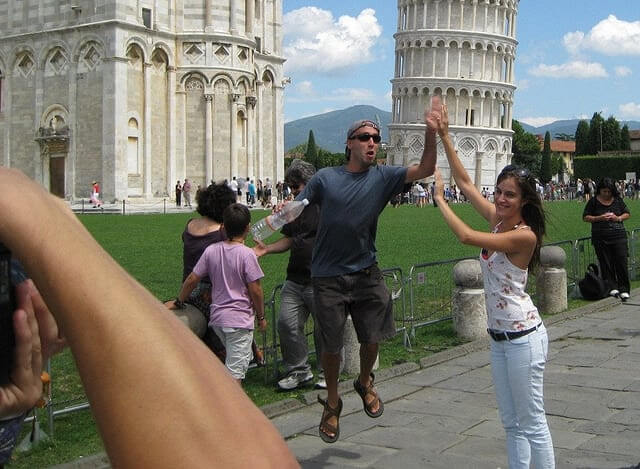
Leaning Tower of Pisa, Pisa
While the photo opportunity outside is mandatory, paying the high fee to climb the Leaning Tower of Pisa is an experience many older travelers wish they had skipped. The queue to enter is substantial, and once inside, the unique physics of the tower mean the climb is disorienting and physically demanding. The hundreds of steps are not uniform; they are worn, slick, and angled due to the tilt, forcing the body to adjust continuously. The top platform offers a view that is decent but not exceptional, and the physical effort required to ascend and descend leaves many with sore knees and joint pain, making the rest of the travel day difficult. Simply taking the iconic photograph outside and enjoying the peaceful Piazza dei Miracoli from a nearby bench is the recommended, zero-regret approach.