Choosing Flights With Very Short Connection Times
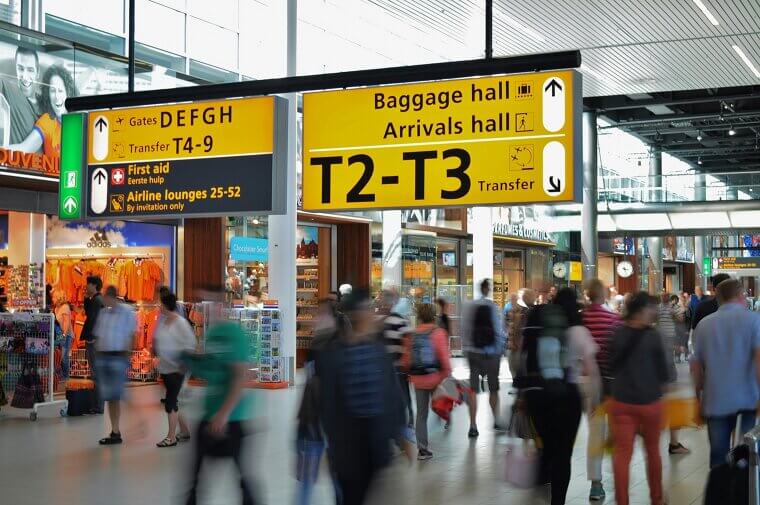
On paper, tight connections look efficient. In reality, they’re one of the most common sources of travel regret. Older travelers find that racing between distant gates, dealing with delayed inbound flights, or navigating unfamiliar airports under time pressure is far more stressful than expected. A single late arrival can unravel an entire itinerary. What was meant to save an hour can instead cause missed flights, overnight delays, and exhausting rebookings.
Waiting Too Long to Book and Missing Lower Fares
Many older travelers regret assuming that flight prices will eventually drop if they just wait a little longer, and while last-minute deals do exist, they’re far less common than they used to be. Airlines now reward early commitment far more consistently than late gambles, so by hesitating travelers often watch ideal flights sell out and fares climb steadily higher. The result is paying more for less convenient schedules, fewer seat choices, and longer travel days.
Booking Non-Refundable Tickets Without Considering Health Changes
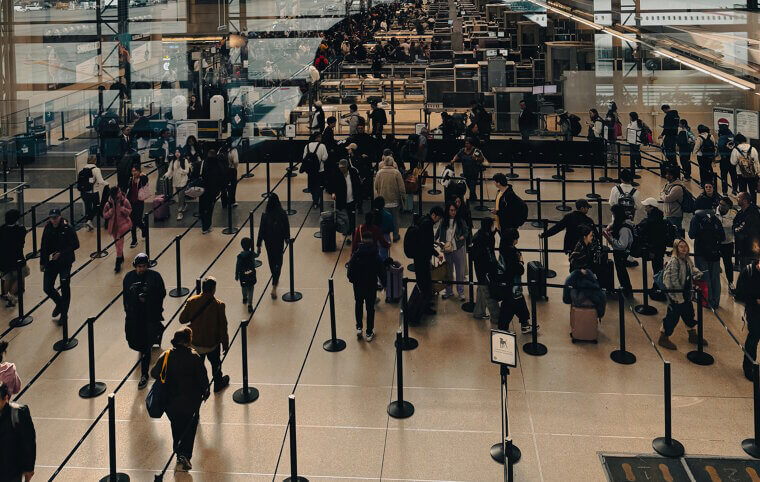
A rock-bottom fare can be tempting, but many travelers later regret locking themselves into non-refundable tickets without considering how quickly health situations can change. Even a minor illness, surgery, or flare-up of a chronic condition can make flying difficult or impossible. Without refund or change protection, travelers are forced to either fly when unwell or lose the full value of the ticket. What looks like smart savings at checkout can become an expensive lesson in foresight.
Ignoring Travel Insurance Altogether
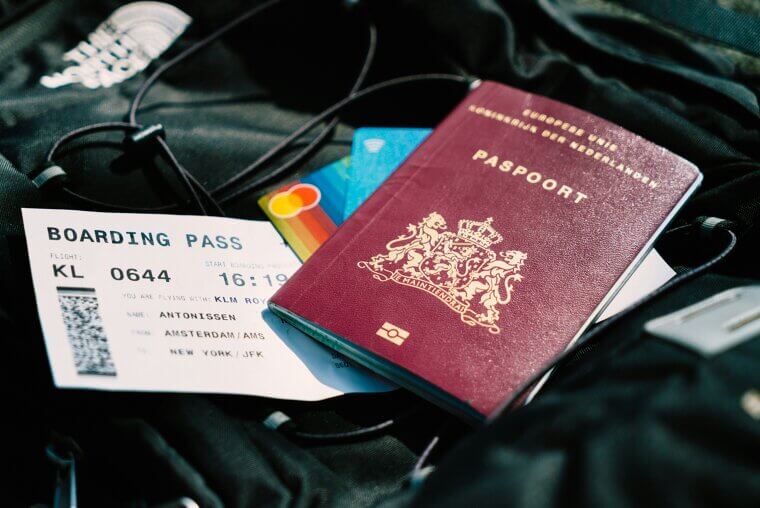
Travel insurance often feels like an optional extra… until the moment it’s desperately needed. Many older travelers regret skipping it after facing unexpected medical emergencies, last-minute cancellations, or delayed flights that spiraled into costly hotel stays. Without coverage, even small disruptions can lead to significant out-of-pocket expenses. Insurance can protect not just the ticket but the entire chain of travel investments behind it. The modest upfront cost frequently proves far cheaper than absorbing a single major mishap alone.

Not Requesting Special Assistance in Advance
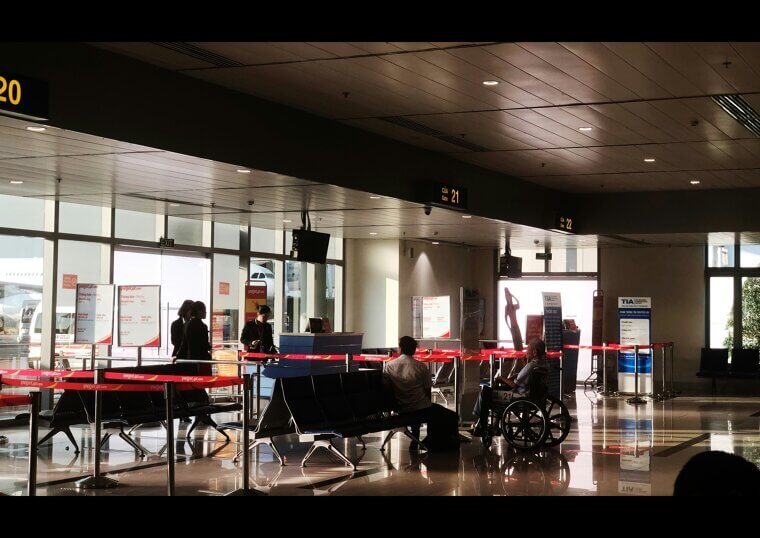
Many travelers hesitate to ask for help, assuming they can manage on their own. Later, they regret not requesting wheelchair assistance, pre-boarding, or priority security screening in advance. Large airports involve long walks, crowded terminals, and extended standing, all of which can be more taxing than anticipated. By arranging assistance ahead of time, travelers can conserve energy for the journey itself. Waiting until airport arrival can result in a far more stressful start to the trip.
Overlooking Seat Selection and Legroom Needs
Seat choice becomes far more important with age, yet many travelers still leave it to chance. Later, they regret being wedged into tight rows with limited legroom, far from restrooms, or stuck between restless seatmates on long flights. Discomfort that might be tolerable for a few hours can feel endless at 35,000 feet. Aisle access for stretching, extra pitch for circulation, and proximity to facilities can dramatically improve the journey.

Booking Basic Economy Fares Without Understanding Restrictions
Basic economy fares promise savings, though the fine print can hold instant regret. Older travelers are frequently surprised by strict limitations: no seat selection, no overhead bin access, no changes or refunds, and last-group boarding. Budget-friendly clicks quickly become a stressful experience at the airport.; add-on fees erase the original savings, and inflexibility leaves no room for unexpected changes. Many realize too late that standard economy would have been a better alternative.
Failing to Check Visa and Entry Requirements Before Purchase
Few mistakes feel as deflating as discovering you can’t legally enter the country you booked a flight to. It’s easy to assume visa rules haven’t changed or apply universally, only to learn too late that new requirements exist. Passport validity rules, transit visas, and health documentation can all derail a journey before it begins. When flights are non-refundable, this oversight becomes painfully expensive.

Underestimating Jet Lag and Time Zone Impacts
Jet lag hits differently later in life, though many travelers still plan their itineraries as if their bodies will bounce back overnight. Arriving in a new time zone and launching straight into packed sightseeing days can lead to exhaustion, disrupted sleep, and lost vacation time. Older travelers frequently regret not building in proper recovery days. Fatigue can dull even the most beautiful destination; allowing time to adjust to prevent survival-mode travel.
Not Considering Nearby Alternate Airports
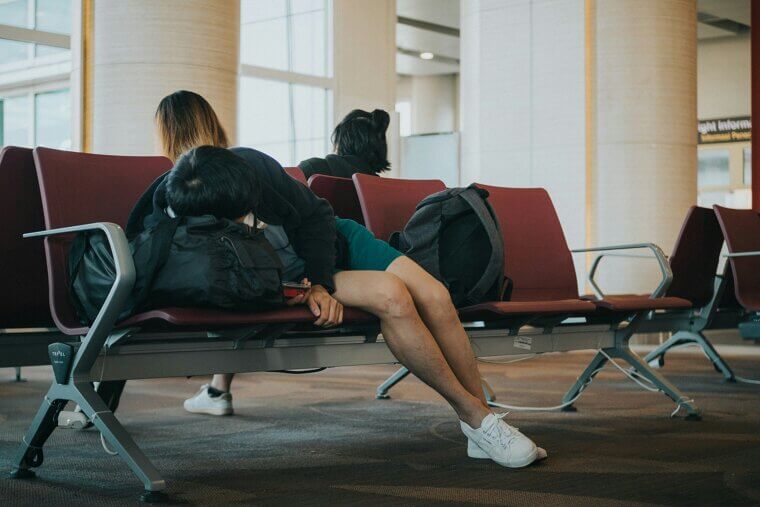
Focusing only on one major airport quietly inflates the cost and complexity of a trip. Travelers frequently regret not investigating alternate airports that could offer cheaper fares, better schedules, or easier ground transportation. A short train ride or drive can unlock significant savings and smoother arrival times - some secondary airports are less crowded and far easier to navigate. What seems like a minor detail during booking can meaningfully shape the entire journey.

Booking the Cheapest Flight Regardless of Total Travel Time
Rock-bottom fares may hide a costly trade-off in time and energy. Many older travelers regret choosing the cheapest ticket only to discover it includes multiple long layovers, overnight waits, or excessive backtracking. What could have been a smooth half-day journey stretches into a grueling travel marathon. Extended transit increases fatigue, disrupts sleep, and heightens stress. In hindsight, paying a little more for a shorter, more direct route feels like a far better investment.
Forgetting to Account for Baggage Fees and Limits
A low base fare can be misleading when baggage fees quietly pile on. Many travelers only realize at the airport that their ticket doesn’t include a checked bag, a carry-on, or both. Older travelers, who often pack a bit more thoughtfully for comfort and contingencies, are especially caught off guard by strict size and weight limits. Sudden fees at check-in sour the travel experience before it even begins, and affordable online prices become surprisingly expensive in practice.

Not Checking Aircraft Type and Cabin Layout
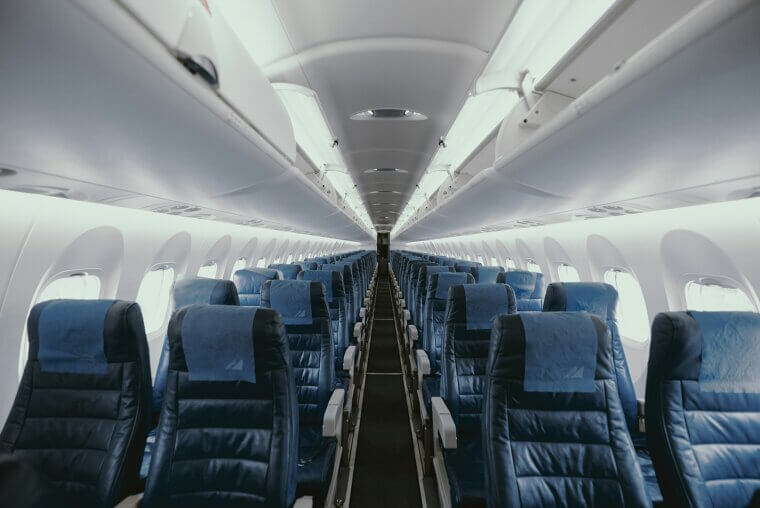
All airplanes are not created equal, yet this detail is frequently overlooked during booking. Some travelers later regret finding themselves in aging aircraft with cramped seating, limited overhead space, or outdated in-flight amenities. Certain planes are quieter, smoother, and more comfortable for long-haul journeys, while others amplify fatigue. Seat configuration also affects aisle access and legroom; a quick check of the aircraft model and seating plan can make all the difference.

Overbooking Tight Itineraries With Multiple Connections
Ambitious routing looks efficient on a screen but often proves exhausting in reality. Older travelers frequently regret stacking multiple connections in a single day, especially when delays stack like dominoes. Each additional transfer increases the risk of missed flights, lost luggage, and mental strain. Racing through unfamiliar airports leaves little margin for comfort or recovery. Simpler itineraries usually deliver the smoother, more dignified journey many later wish they’d chosen.

Skipping Medical Considerations for Long-Haul Flights
Long-haul flying places unique demands on the body, yet medical planning is often overlooked at the booking stage. Travelers later regret not considering circulation issues, mobility needs, oxygen concerns, or the risk of dehydration on extended flights. Cabin pressure, dry air, and long periods of sitting affect the body more significantly with age. Without proper seat choice, hydration planning, and medical advice, a dream trip can begin with preventable discomfort.

Not Syncing Flight Times With Medication Schedules
Medications run on precise schedules, but flight times rarely cooperate, so booking flights that clash with critical dosing windows - especially on long-haul or overnight routes - sour plans. Crossing time zones only complicates matters further, increasing the risk of missed or doubled doses. With a little planning, flight schedules can align more gently with medical routines; without it, the first days of a trip may be spent recovering instead of exploring.

Using Unfamiliar Foreign Booking Sites Without Protection
A deal that looks too good to be true? It often is. Travelers frequently regret booking through unfamiliar foreign websites that offer little consumer protection, weak customer service, or unclear refund policies. When changes, cancellations, or mistakes arise, resolving them across languages and legal systems becomes deeply frustrating (if not impossible). What initially feels like a savvy online savings move can turn into a money-losing puzzle.

Failing to Monitor Prices After Booking
Many travelers assume the price they paid is final, only to later discover the same flight dropped dramatically in cost. Without monitoring fares, they miss opportunities for airline credits, rebooking savings, or price adjustments. Some carriers allow free changes within certain fare classes, but only if the traveler catches the drop in time. Watching prices for a few weeks after booking can recapture hundreds of dollars.

Not Choosing Flexible Change or Cancellation Options
Life rarely stays perfectly on schedule, yet inflexible tickets demand exactly that. Older travelers might regret declining flexible fare options - especially when personal, medical, or family issues arise close to departure. Even modest flexibility can save thousands in lost airfare or punitive change fees. In those circumstances what feels like an unnecessary upgrade at booking becomes priceless later. Flexibility buys back control in an unpredictable world.

Booking Flights That Arrive Very Late at Night in Unfamiliar Destinations
Late-night arrivals look harmless on paper, but they can carry unexpected complications. Limited transportation, closed hotel desks, reduced staffing, and safety concerns turn simple arrivals into stressful puzzles. Older travelers frequently regret stepping into an unfamiliar city after midnight while tired, disoriented, and carrying luggage. Daytime arrivals allow for easier navigation, better transit options, and smoother hotel check-ins.