The Luxury of the Spiral Staircase
In the early days of the Boeing 747, several airlines featured a glamorous spiral staircase leading to an upper-deck lounge. It wasn’t just a seat; it was a social club in the sky where passengers could mingle over drinks, far removed from the cramped "economy" experience of the modern day. These architectural marvels symbolized the height of luxury, allowing travelers to stretch their legs and ascend to a private sanctuary.
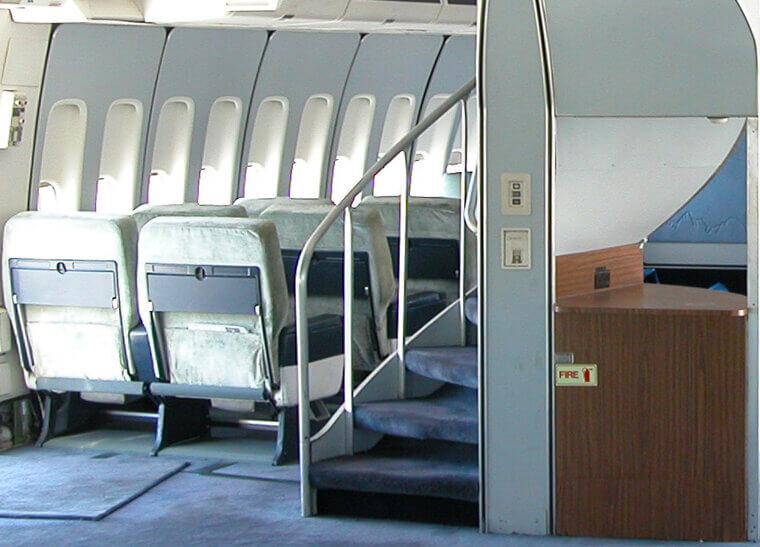
Today, every inch of cabin space is optimized for seating, leaving these winding paths to the clouds as nothing more than a nostalgic memory for seasoned travelers.
Carved-At-Your-Seat Roast Beef
During the mid-century era of flight, dining was a theatrical performance rather than a plastic-wrapped necessity. Flight attendants, often dressed in high-fashion uniforms, would wheel a heavy silver cart down the aisle featuring a full prime rib or a succulent roast beef. They would expertly carve thick slices to your specific liking right before your eyes. This level of personalized culinary service turned a transcontinental journey into a five-star dining experience.
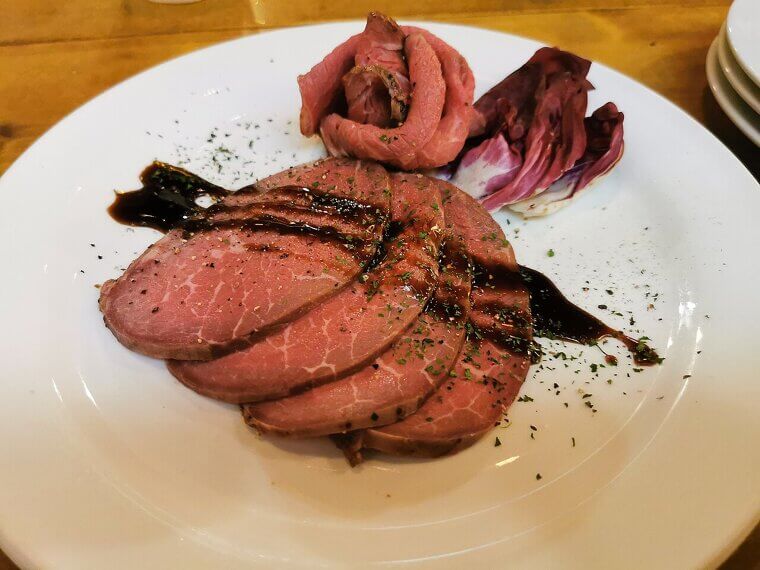
Now, pre-packaged meals and limited choices have replaced the artisan touch of a chef’s knife and a roving silver trolley.
Formal Dress Codes for Passengers
Boarding a plane used to be considered a special occasion that demanded one’s "Sunday best." Men typically wore tailored suits and ties, while women donned elegant dresses, pearls, and often fashionable hats or gloves. It was a sign of respect for the miracle of flight and the exclusivity of the journey. Walking through an airport today, you are more likely to see pajamas and flip-flops than a crisp blazer.
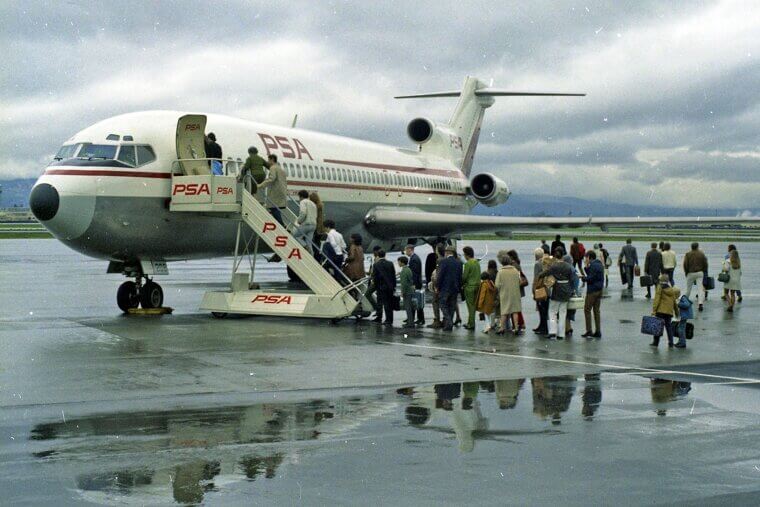
The shift toward comfort over style has turned the terminal from a fashion runway into a sea of casual athleisure and oversized hoodies.
Free-Flowing Glassware and Crystal
Plastic cups were once a rarity in the sky. Whether you were enjoying a simple tomato juice or a celebratory ginger ale, it was served in a chilled glass or, in premium cabins, genuine lead crystal. The clink of glassware added a sophisticated soundtrack to the cabin environment. Drinking from a glass rather than a thin plastic cup significantly enhanced the flavor and the overall feeling of being pampered.
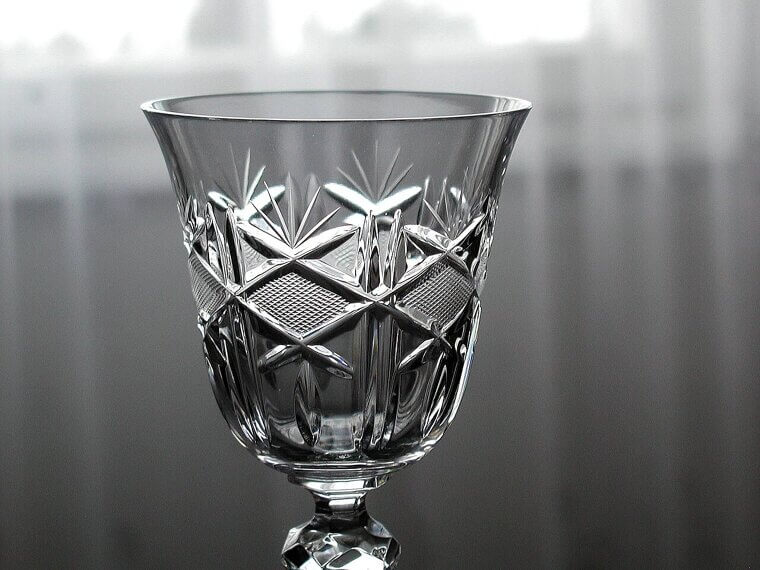
Today’s reliance on disposable materials for efficiency and weight reduction has made the simple elegance of a glass tumbler a forgotten relic of the past.
Paper Tickets With Red Carbon Copies
Before the era of digital QR codes and smartphone apps, a plane ticket was a substantial, multi-layered document bound in a stylish folder. These paper booklets contained several red carbon-copy pages that the gate agent would physically rip out and staple to your boarding pass. There was a tactile satisfaction in holding your "ticket to paradise" in your hand. If you lost that physical book, you were essentially stranded.
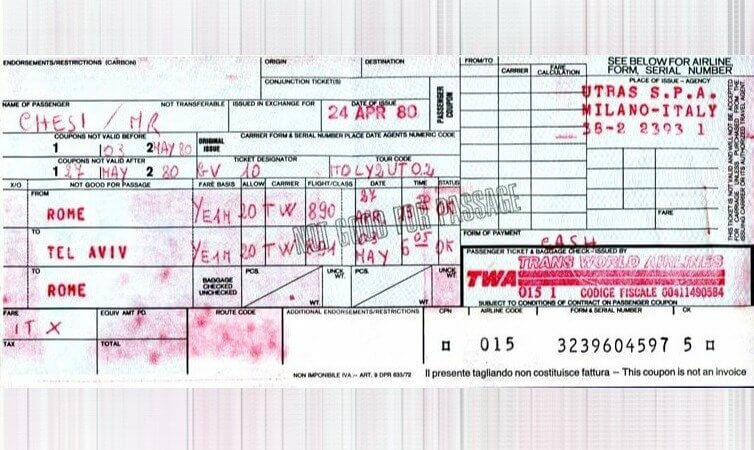
Today’s paperless systems are certainly more convenient, but they lack the physical gravitas and the keepsake quality of those vintage ticket jackets.
The In-Flight Fashion Show
On certain glamorous routes, particularly those operated by airlines like Braniff International, the flight attendants would actually perform a "fashion show" in the aisles. As the flight progressed, they would change outfits—shedding outer layers to reveal different colors or styles designed by famous couturiers. It was designed to keep passengers entertained and reinforce the airline’s trendy image. This level of theatricality and focus on "the look" of the crew has been replaced.
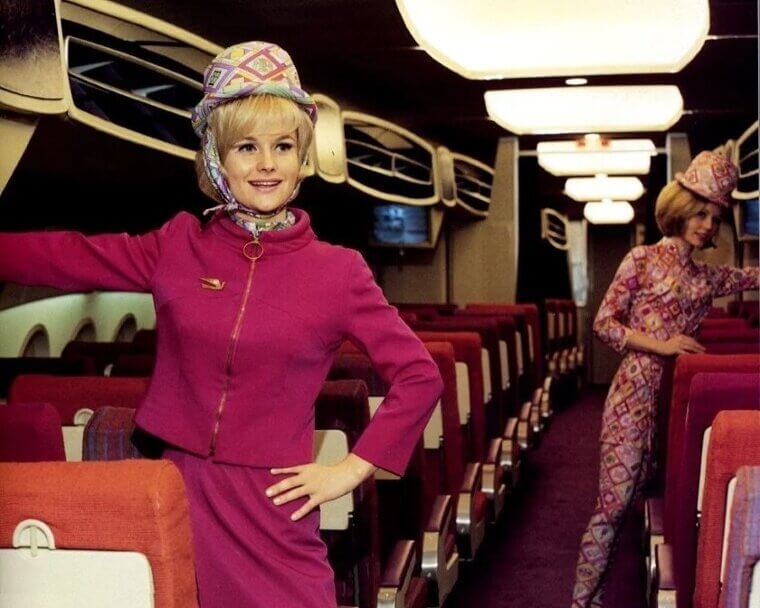
Today, the focus is on safety procedures and standardized service, making the aisles much more predictable.
Souvenir Wings for Children
For decades, a highlight for any young traveler was receiving a set of plastic or metal "Junior Pilot" wings. A flight attendant or even the captain would pin these onto a child’s shirt, making them feel like an honorary member of the crew. It was a simple gesture that fostered a lifelong love of aviation and brand loyalty. In the current era of quick turnarounds and high-stress boarding, this charming tradition has mostly fallen by the wayside.
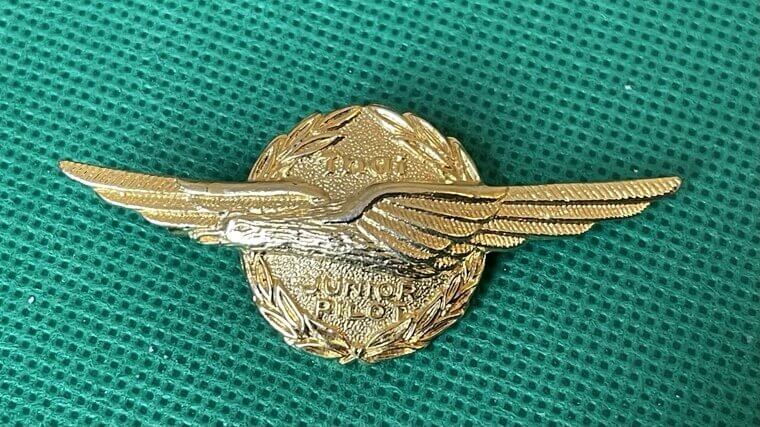
It's been replaced by digital entertainment screens and a more utilitarian approach to the "young flyer" experience.
Complimentary Metal Cutlery in Coach
There was a time when even the most budget-conscious traveler was handed a heavy roll of real silverware. Knives, forks, and spoons were crafted from polished stainless steel, often embossed with the airline’s elegant crest. Using real cutlery made the meal feel substantial and dignified, regardless of the ticket price. Following heightened security measures in the early 2000s, these metal utensils were largely replaced by flimsy plastic alternatives.
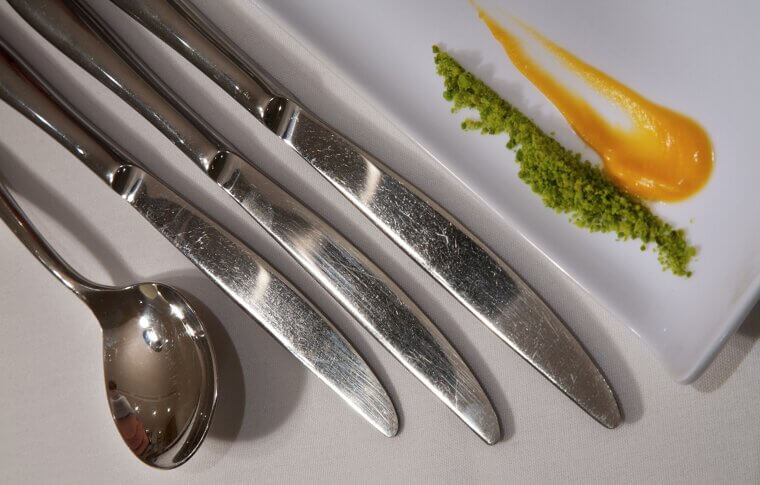
While some first-class cabins still offer metal, the satisfying weight of a steel fork in economy has vanished from the standard flying experience.
The "Airborne Social Club" Lounges
Long before every square foot was dedicated to "Polaris" or "Suites," many wide-body aircraft featured open-concept lounges available to various passengers. These areas were outfitted with swiveling velvet chairs, cocktail tables, and sometimes even a piano or a small bar. It was a space designed specifically for serendipitous conversation and networking while soaring at 30,000 feet. Modern efficiency has prioritized high-density seating over these expansive, communal social spaces.
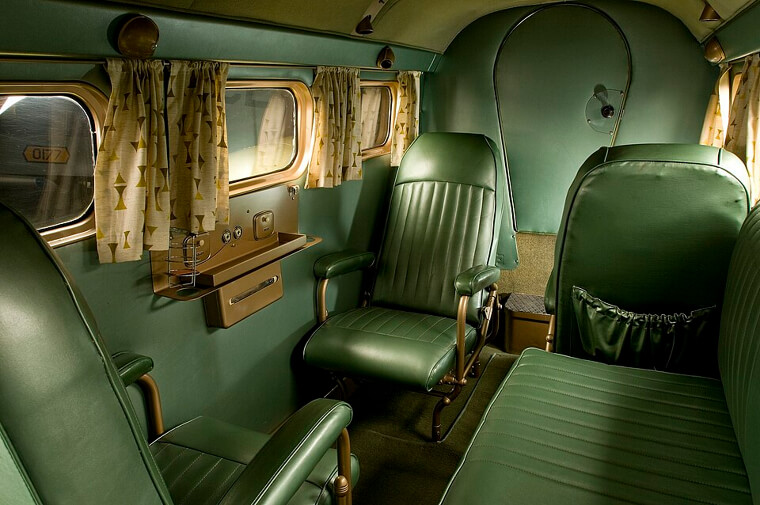
But back in the day, you could leave your assigned seat to stretch out and talk to a stranger without feeling like you were blocking the galley.
The "Air-To-Ground" Radiotelephone
Before everyone had a smartphone in their pocket, some planes were equipped with "Airfones" built into the back of the middle seats or located in the bulkheads. These were bulky handsets that required a credit card swipe and cost a fortune—often several dollars per minute. They represented the cutting edge of technology, allowing business travelers to make important calls from the clouds.
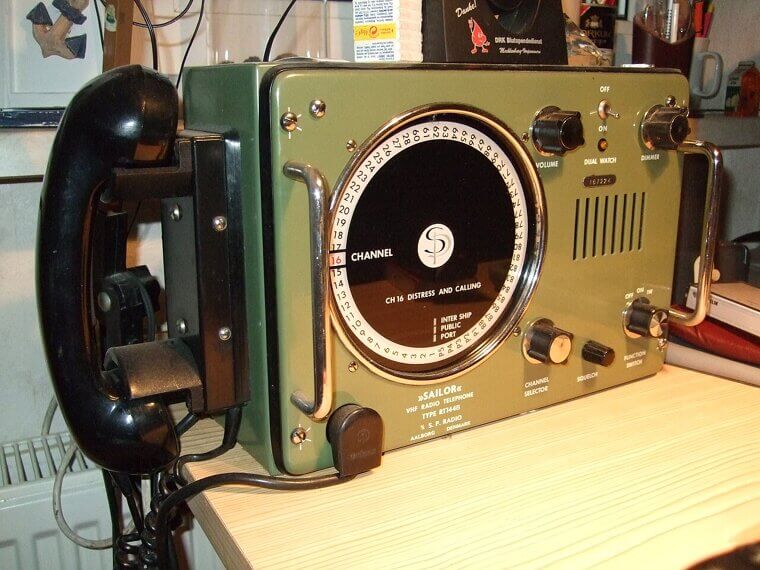
While they were rarely used by the average passenger due to the cost, their presence was a sign of prestige. Satellite Wi-Fi has since made these clunky handsets completely obsolete.
Sleeping Berths and Full-Sized Beds
Before modern "lie-flat" pods, long-haul planes like the Douglas DC-6 or the Boeing Stratocruiser offered actual pull-down sleeping berths, much like a train’s sleeper car. Passengers could climb into a bunk, close a heavy curtain, and sleep on a real mattress with full-sized pillows and wool blankets. It offered a level of privacy and flat-surface comfort that even modern business class struggles to replicate.
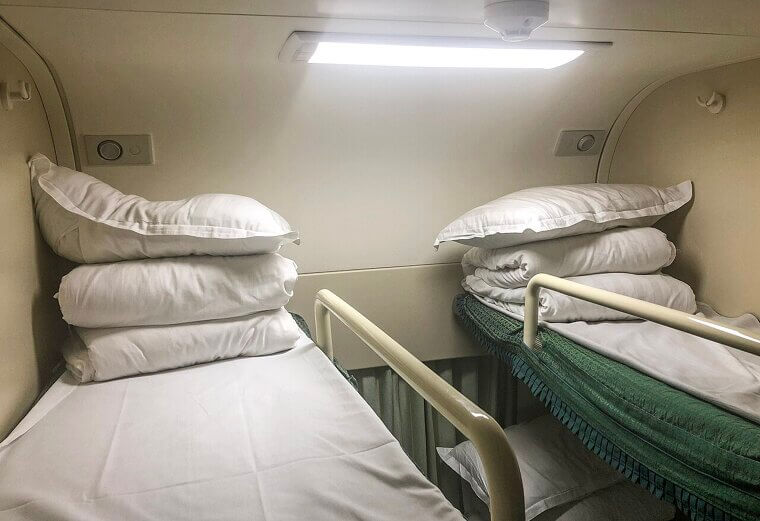
As airlines squeezed more seats into the fuselage to increase profits, these spacious sleeping quarters were phased out in favor of the reclining chairs we see today.
The Wide, Plush Seats of "Coach"
If you look at photos of economy class from the 1960s, the seats look like modern-day domestic first class. They were thick, heavily padded, and significantly wider than the slim-line seats used today. There was ample "pitch"—the distance between your seat and the one in front—allowing even tall passengers to cross their legs comfortably. The industry shift toward "high-density" seating has shaved inches off the width and legroom.
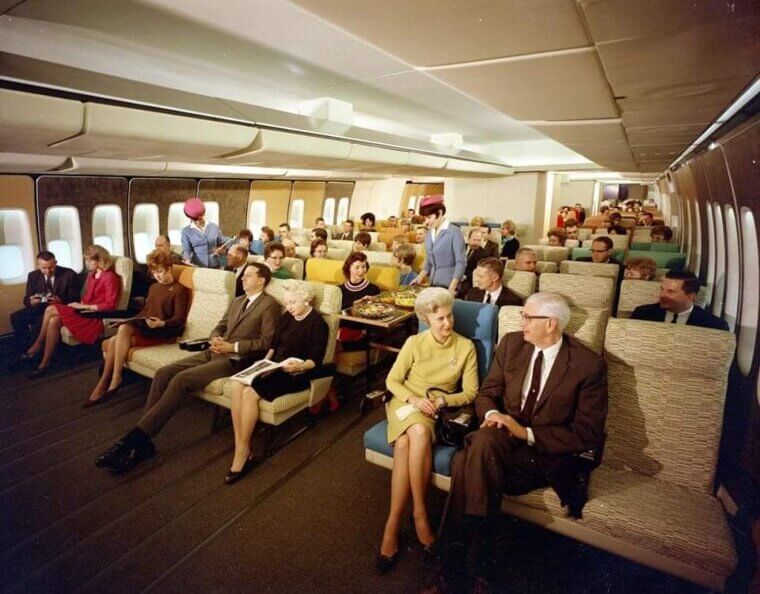
It's turned the cabin into a sardine-can experience where your knees are constantly in contact with the seat in front of you.
Complimentary Decks of Playing Cards
Long before the "In-Flight Entertainment" screen offered hundreds of movies, the primary way to pass the time was a good old-fashioned game of cards. Airlines would distribute high-quality, branded decks of playing cards to anyone who asked. These cards often featured beautiful artwork or photos of exotic destinations on the back, making them popular collectibles. Families would huddle over their tray tables for hours playing bridge or rummy.
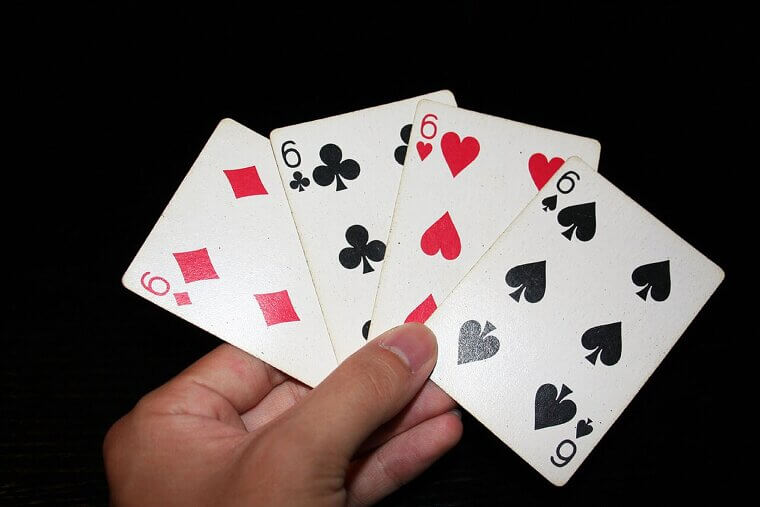
Today, the glow of individual screens has silenced the sound of shuffling cards, and free decks are a thing of the past.
Postcards Provided in Every Seat Back
In the era before "checking in" on social media, airlines provided complimentary postcards in the seat-back pocket, usually featuring a beautiful photo of the aircraft or a destination. Passengers were encouraged to write a note to friends or family while in the air. On some flights, the crew would even collect and mail them for you upon landing. It was a wonderful way to share the excitement of travel.
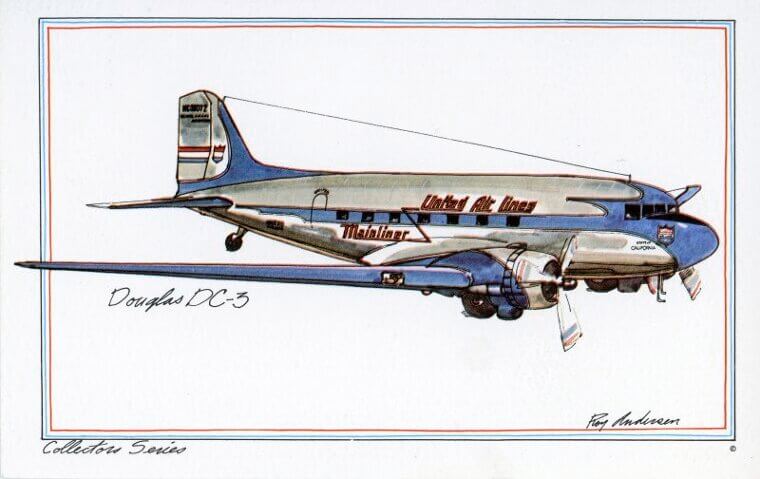
With the advent of instant messaging and in-flight Wi-Fi, the tradition of the "high-altitude postcard" has been replaced by the digital selfie.
The Art of the "Flight Bag"
Airlines used to provide or sell iconic branded flight bags—those sturdy, rectangular shoulder bags emblazoned with logos like the TWA globe or the Pan Am blue meatball. These bags became symbols of status and a well-traveled life, often used as gym bags or carry-ons for years. They were built to last and served as mobile advertisements for the glamour of the jet set.
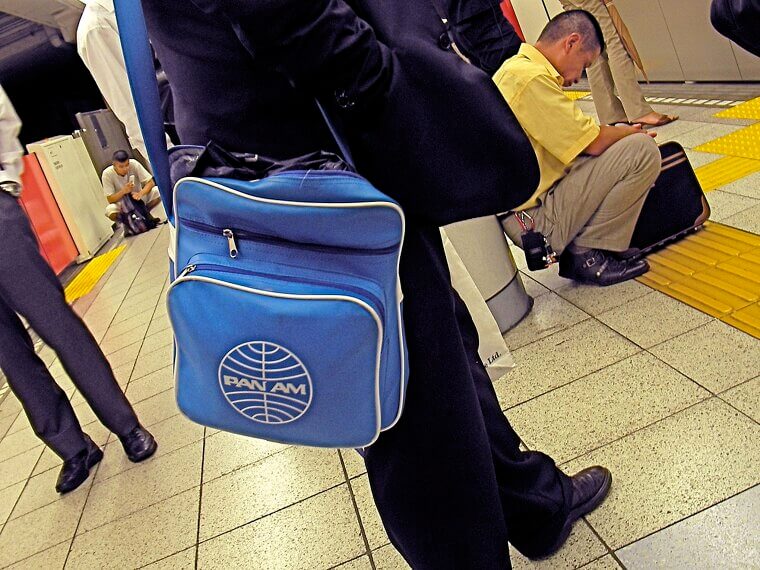
While you can find retro reproductions today, the era of airlines providing high-quality, branded luggage as a standard part of the travel experience has long since concluded.
Visit to the Cockpit Mid-Flight
It used to be common for a curious passenger, especially a child, to be invited by the crew to visit the cockpit while the plane was at cruising altitude. You could stand behind the pilots, marvel at the wall of analog gauges and switches, and look out the front windshield at the horizon. It was an awe-inspiring experience that humanized the "men at the wheel."
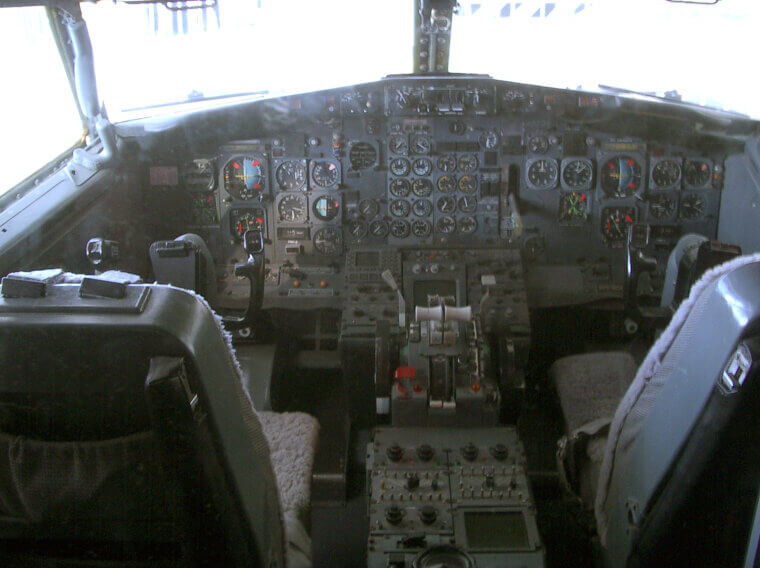
Post-2001 security regulations have made the cockpit a strictly forbidden zone behind reinforced, locked doors, turning the pilots into invisible voices from a speaker.
Special In-Flight Sections
While widely considered a health improvement today, these sections were a ubiquitous feature of the Golden Age. The back of the plane was often shrouded in a light haze as passengers enjoyed their vices or even pipes during their journey. Every armrest was equipped with a built-in, flip-top metal tray tp place ashes. And no matter where you sat, the scent was inescapable due to the cabin's air circulation.
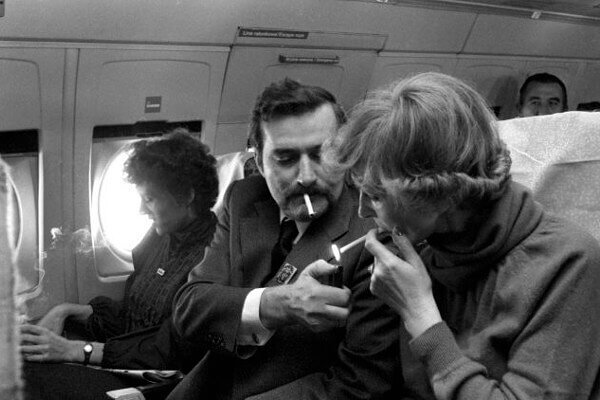
The transition out of this in the late 1990s permanently sealed those little metal trays, which now serve as odd curiosities for younger flyers.
Souvenir Flight Certificates
On special occasions—such as a maiden voyage of a new aircraft type, a flight over the North Pole, or even a child’s first-ever flight—airlines would issue beautiful, signed "Flight Certificates." These were printed on heavy cardstock and commemorated the achievement, often signed by the captain. They were proud mementos that ended up framed on many children’s bedroom walls.
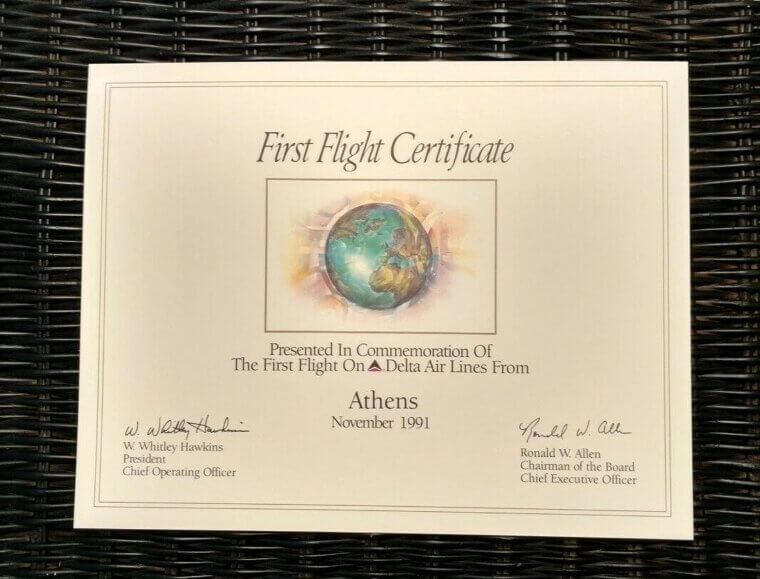
Today, the process of flying is so routine and "mass-market" that the sense of a flight being a "noteworthy achievement" worthy of a certificate has sadly evaporated from the commercial experience.
Hot Towels for Everyone
While some airlines still offer hot towels in business class, they used to be a standard feature for every passenger on long-haul flights. Shortly after takeoff or before a meal, flight attendants would distribute steaming, lemon-scented terry cloth towels using tongs. It was a refreshing ritual that helped wash away the "grime" of the airport and signaled that the relaxation of the flight had truly begun.
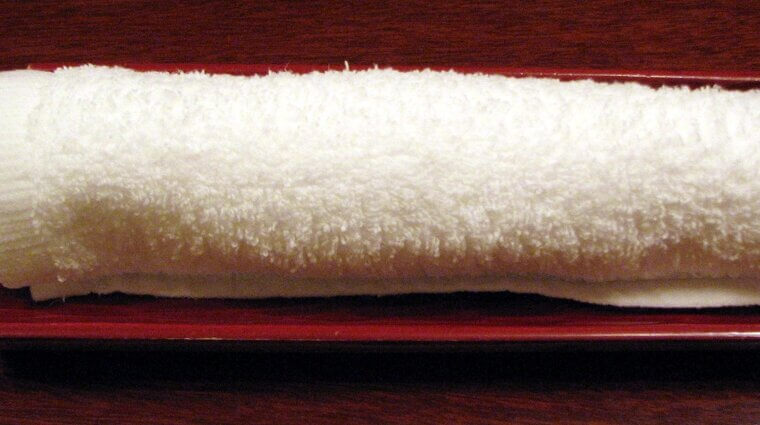
Now, if you get a towel at all in economy, it is likely a thin, disposable paper wipe that lacks the comforting warmth of the original.
Matchbooks With Airline Logos
Because smoking was permitted on board, every airline produced its own branded matchbooks. These were often miniature works of art, featuring sleek typography and the airline's colors. They were left in ashtrays or handed out by attendants, becoming one of the most common—and flammable—souvenirs of the era. People would collect them from every flight to display in glass jars at home. Now, for obvious safety reasons, matches and lighters are strictly regulated.
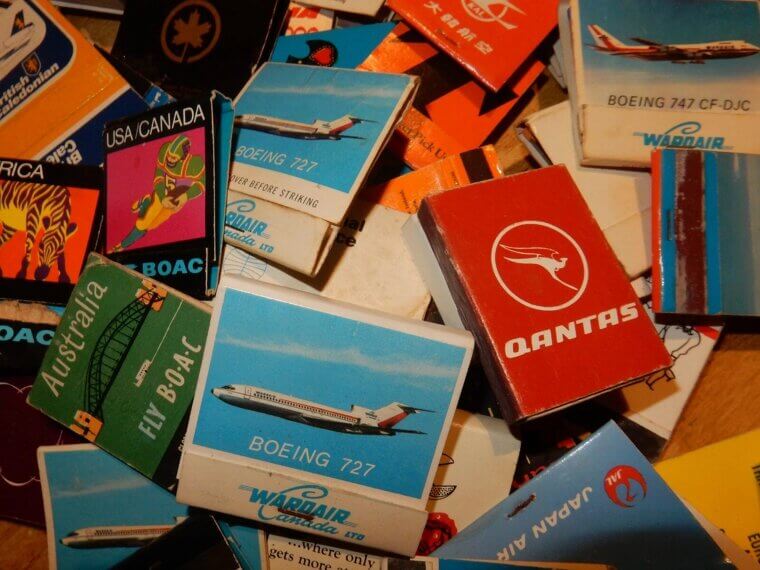
The humble, branded matchbook has been scrubbed from the airline industry's promotional inventory forever.
Designer Uniforms by Renowned Couturiers
Airlines once viewed their flight attendants as ambassadors of style, commissioning world-famous designers like Emilio Pucci, Dior, or Halston to create their wardrobes. These uniforms weren't just functional; they were high-fashion statements featuring vibrant patterns, silk scarves, and even futuristic "space bubbles" or pillbox hats. The crew looked like they stepped off a Paris runway rather than a corporate training video.
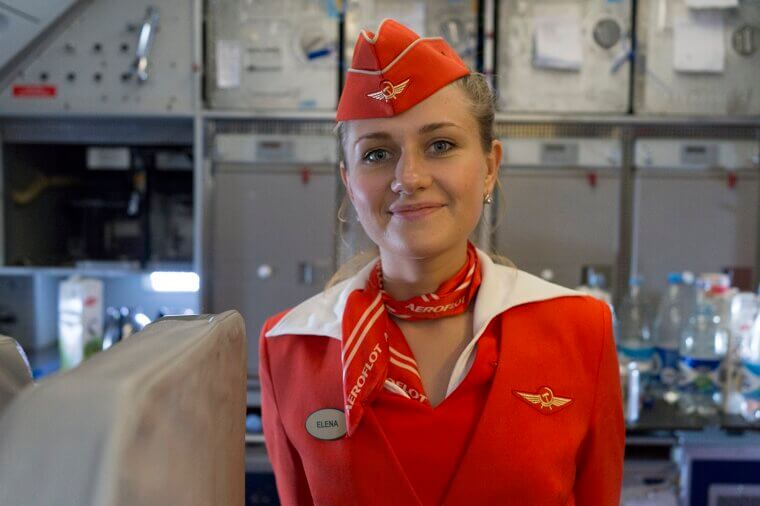
While modern uniforms are professional, they generally prioritize durability and standardization over the bold, artistic flair that defined the golden era’s visual identity and glamour.
Lobster Thermidor and Exotic Seafood
In an age where "chicken or pasta" is the standard refrain, it’s hard to imagine that lobster was once a common menu item. Airlines competed for customers by offering lavish seafood platters, featuring lobster thermidor or freshly prepared shrimp cocktails served in chilled bowls. These meals were prepared with high-quality ingredients and served on fine china with linen napkins.
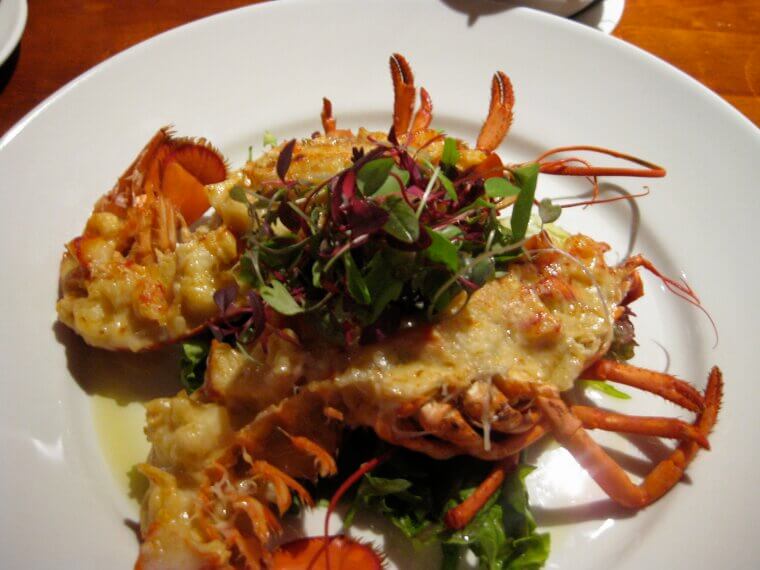
The sheer expense and logistical difficulty of serving fresh shellfish have caused it to vanish from almost all but the most exclusive, top-tier international first-class routes.
The Absence of Invasive Security Lines
Decades ago, "airport security" was a relatively relaxed affair. Passengers could arrive just twenty minutes before takeoff, stroll through the terminal, and walk straight to their gate without removing shoes or emptying bags. There were no X-ray body scanners or strict liquid limitations. The process was built on a foundation of trust and simplicity, making travel feel breezy and effortless.
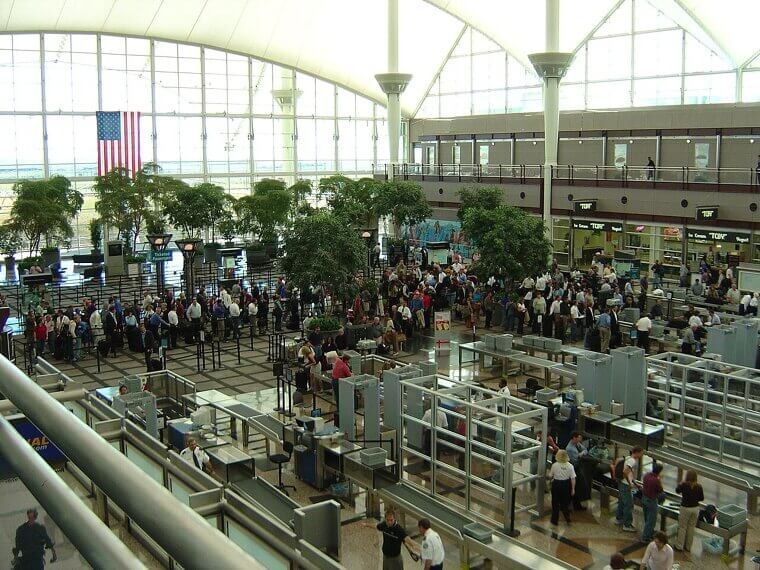
Now, the labyrinth of stanchions and the requirement to arrive hours early has turned the pre-flight experience into a stressful hurdle rather than a smooth beginning to a vacation.
Full-Size Toiletry "Amenity Kits"
The amenity kits of the past were far more than a cheap eye mask and a toothbrush. Passengers were often gifted beautifully designed leather or fabric pouches filled with high-end perfumes, luxury shaving creams, branded playing cards, and even miniature bottles of cologne. These kits were designed to be kept as souvenirs and used long after the flight ended. Today, unless you are in the most expensive cabins, these kits are often made of disposable materials with minimal contents.
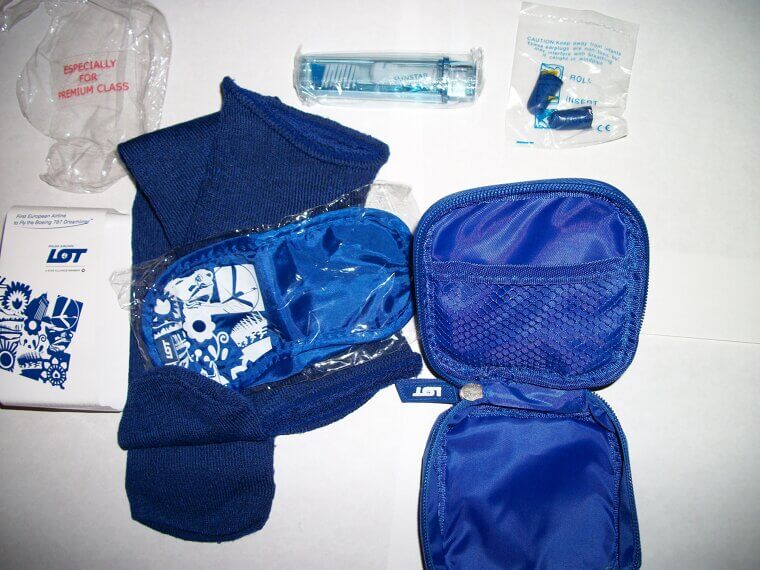
The change reflects a broader industry shift toward cost-cutting and reducing the weight of every item on board.
Gourmet Caviar Service
In the legendary days of Pan Am and TWA, first-class passengers were often treated to a formal caviar service. A cart would arrive with tins of high-quality sturgeon roe set on ice, accompanied by traditional garnishes like chopped egg whites, onions, and blinis. It was the ultimate symbol of decadence at high altitude. This level of opulence was standard for international routes, reinforcing the idea that flying was a luxury afforded only to the elite.
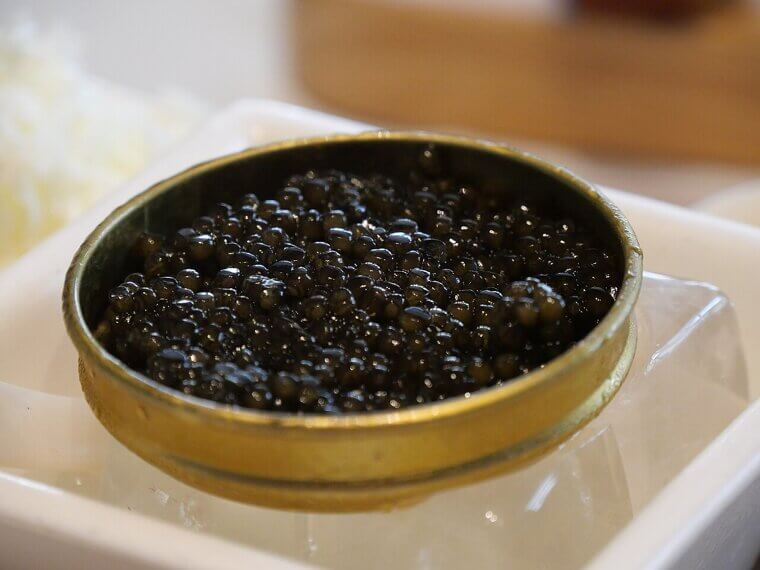
While a few ultra-luxury carriers still offer it, the widespread availability of such delicacies has largely disappeared.
Gate-Side Send-Offs From Loved Ones
One of the most emotional losses in modern travel is the ability for non-passengers to walk all the way to the gate. Families and couples used to stand at the jet bridge door, waving until the plane pushed back. Similarly, your loved ones could be right there waiting for you the moment you stepped off the aircraft. These "movie-moment" reunions and tearful goodbyes added a human touch to the journey.
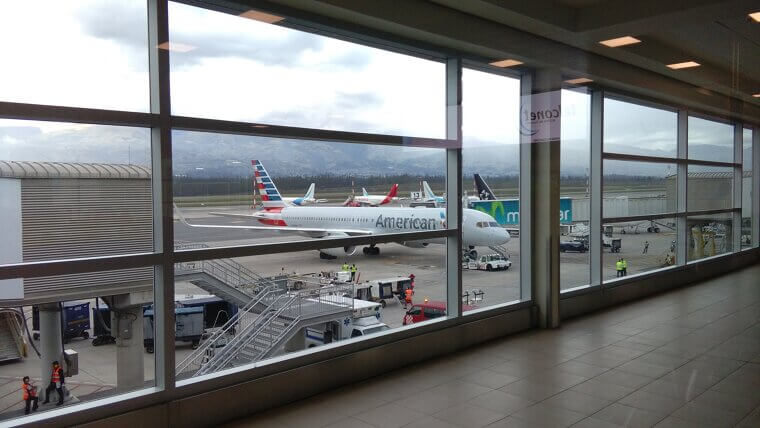
Current security protocols keep non-travelers behind the checkpoint, leaving those heartfelt greetings for the crowded, frantic baggage claim area.
Fresh Flowers in the Cabin
Walking into a premium cabin in the 1960s often meant being greeted by the scent of fresh-cut flowers. Vases of roses or carnations were often secured to the bulkheads or placed on lounge tables to give the interior a domestic, garden-like atmosphere. It was a small but significant touch that helped mask the mechanical smells of the aircraft and added a burst of color to the cabin.
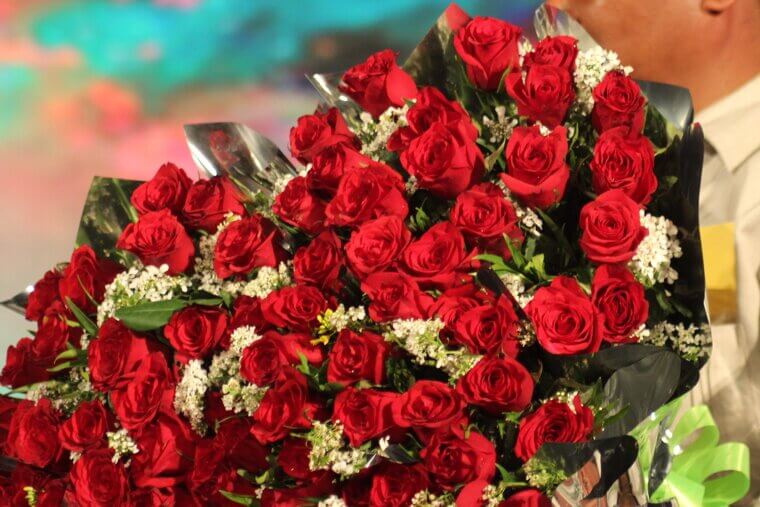
Today’s cabins are focused on sterile, easy-to-clean surfaces, making the maintenance and safety risks of a glass vase of water and flowers completely impractical.
The Observation Deck at the Airport
Airports used to be destinations in themselves, featuring massive open-air observation decks where families could watch planes take off and land. You could feel the rumble of the engines and smell the jet fuel as you waved to departing passengers. It was a popular weekend activity for locals, not just travelers. Increased security and the expansion of terminal buildings have closed most of these public decks.
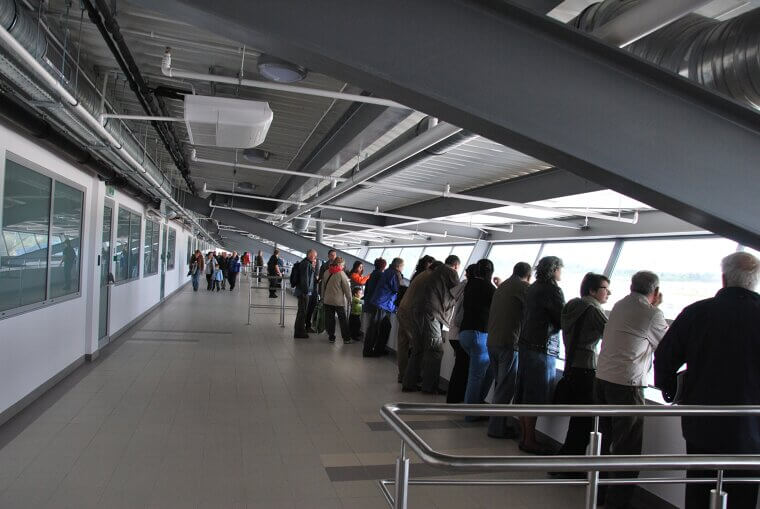
Most modern airports are now enclosed glass boxes, separating the public from the raw power and excitement of the tarmac.
Real Cream and Sugar Service
Coffee and tea service used to be an elegant affair. Instead of being handed a plastic stir stick and a powdered creamer packet, flight attendants would pour your beverage into a ceramic cup and offer real cream from a small pitcher and sugar cubes from a silver bowl. It made the simple act of drinking coffee feel like a sophisticated afternoon tea.
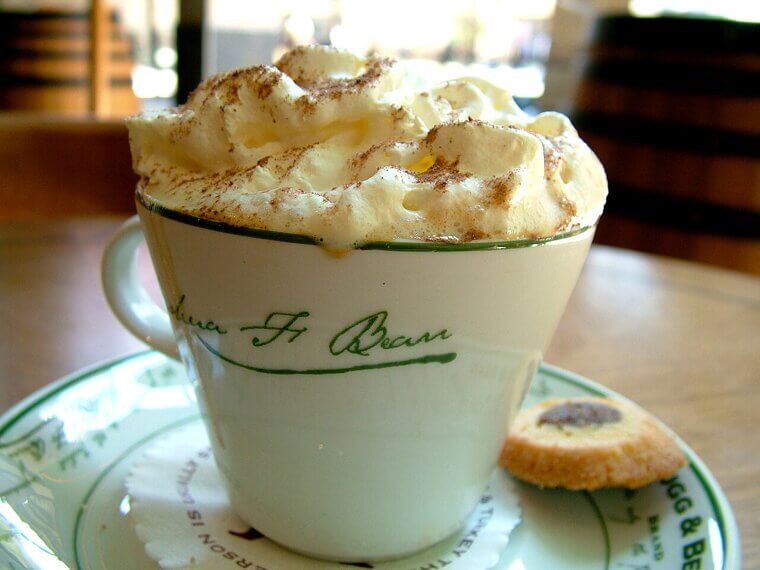
The move toward "disposable everything" and the need for speed in the cabin has replaced these charming touches with pre-packaged, shelf-stable alternatives that lack any sense of occasion.
Unlimited Checked Baggage
There was a golden time when the "weight limit" was a mere suggestion and the "per-bag fee" didn't exist. Passengers were often allowed to check two or even three heavy suitcases without paying a dime extra. This allowed for extensive wardrobes and plenty of room for souvenirs. You didn't have to engage in the stressful "carry-on tetris" we see today, as people were happy to check their bags.
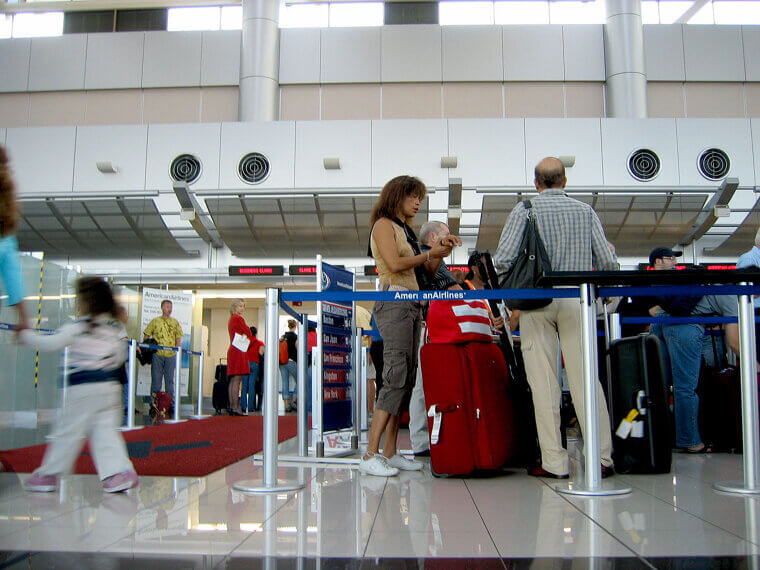
The unbundling of airfares has turned baggage into a major profit center, making the "free heavy bag" a legendary myth to younger travelers.
Individual Air Vents With "Oomph"
Vintage aircraft often featured heavy, chrome-plated air vents that you could twist and aim with precision. Most importantly, they provided a powerful, freezing blast of air if you wanted it. Modern planes have moved toward more centralized climate control systems, and many newer models have eliminated the individual overhead vent entirely to save on weight and maintenance. For those who run hot, this was a big loss.
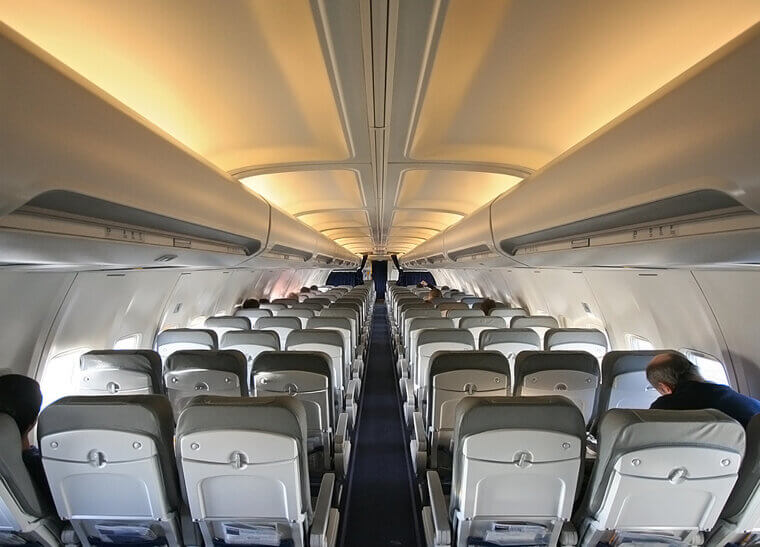
The loss of that powerful, personal jet of cool air is a significant downgrade in comfort compared to the robust systems found in the planes of the 1960s and 70s.
Free Drinks for Everyone
There was a time when a "complimentary beverage service" meant anything you wanted, including wine, beer, or spirits, regardless of which cabin you were sitting in. A glass of wine with dinner was considered a standard part of the ticket price, not a "premium add-on." It helped passengers relax and added to the social atmosphere of the cabin. While some international flights still offer this, most domestic carriers have moved to a "buy-on-board" model.
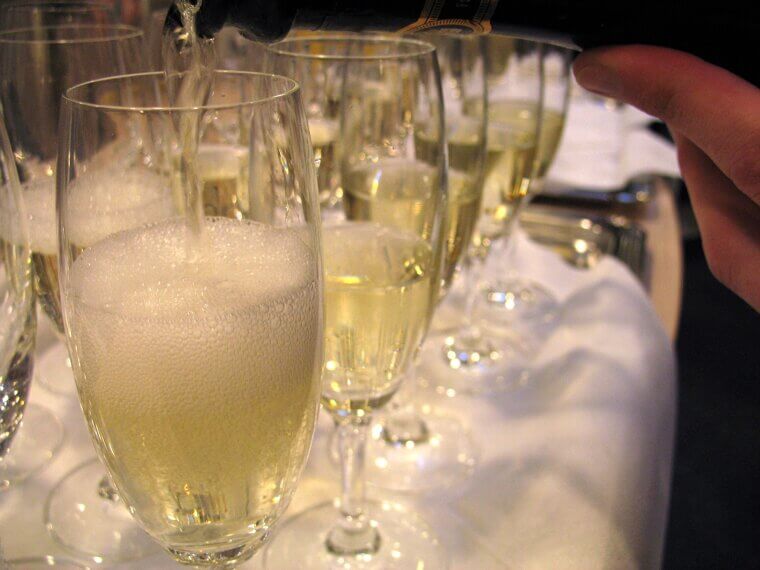
They charge ten dollars or more for a tiny bottle that used to be a free courtesy.
The Captain’s Personal Welcome
In the early days of the Jet Age, it wasn't uncommon for the captain to walk through the cabin before takeoff to personally greet passengers. He would stand at the front of the plane, cap in hand, and give a brief speech about the flight path and weather. It provided a sense of security and a "human face" to the complex machine you were about to fly in.
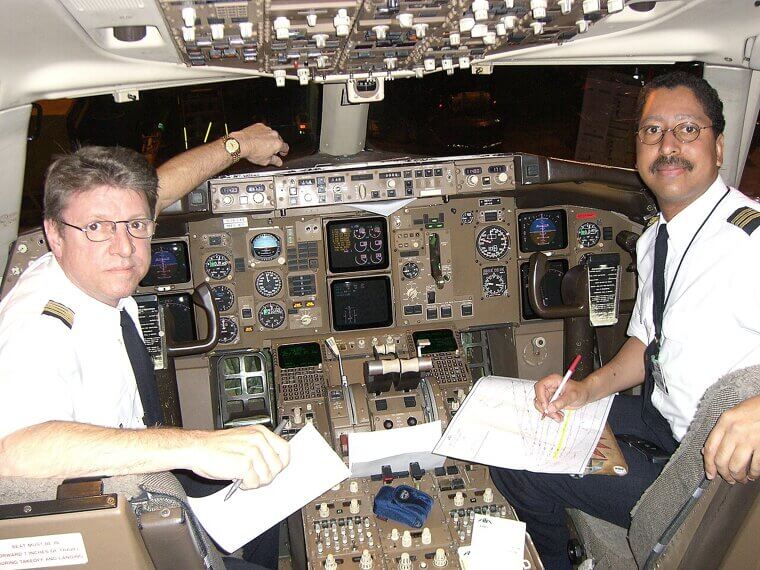
Today, the pilots are locked away for safety before the first passenger even boards, and their communication is limited to a disembodied voice over the intercom.
Hot Meals on Short Flights
Even on a quick one-hour hop between cities, passengers were once served a hot, multi-course meal. You might get a small omelet for breakfast or a hot sandwich for lunch, served on a tray with proper side dishes. The idea of "snack service" consisting of a tiny bag of pretzels would have been unthinkable. Modern airlines have optimized their galleys and crew schedules to the point where it affects the food served.
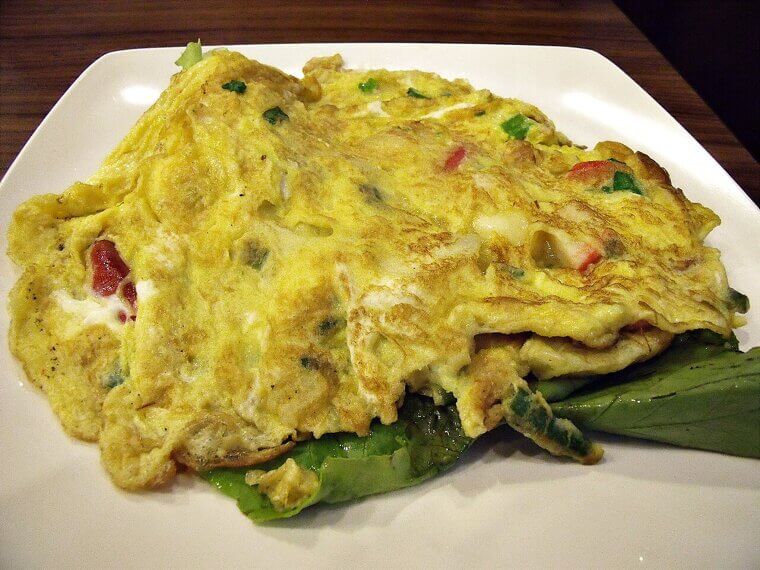
On many short-haul flights, you are lucky to get a full can of soda, let alone a steaming hot entrée.
Ornate Silver Coffee Urns
In the premium sections of iconic carriers, coffee wasn't poured from a plastic or glass carafe. Instead, flight attendants used large, ornate silver-plated urns. These gleaming pots were part of a full "silver service" that included matching creamers and sugar bowls. It brought the elegance of a high-end hotel's morning service to the sky. The weight of these silver pieces and the labor required to polish them eventually led to their replacement.
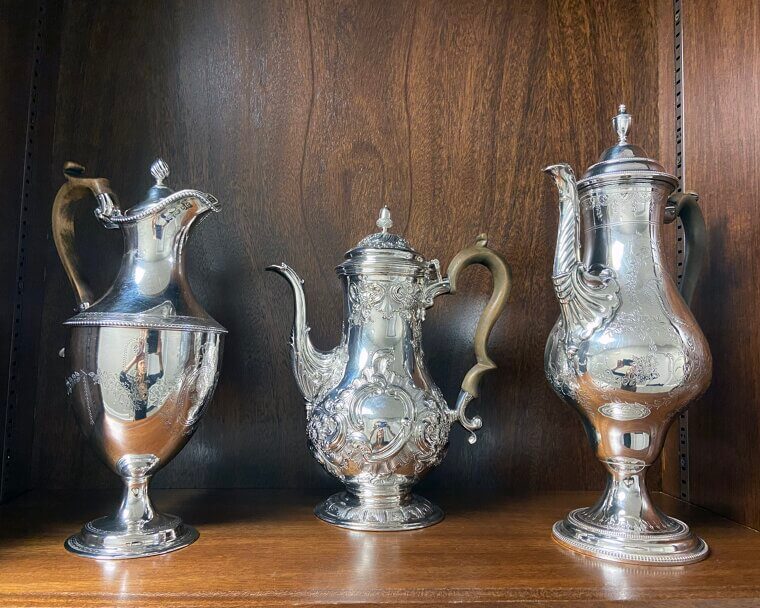
They were replaced by lightweight, functional, but ultimately soulless plastic and thermal containers that prioritize utility over aesthetic beauty.