Why Large Group Tours Look Easier Than They Really Are
Large group tours are often marketed as stress free travel, especially for people who want everything planned in advance. The promise is simple transportation, included meals, and a guide who handles the details. In reality, the convenience comes with tradeoffs that are easy to overlook when booking. Large groups move slowly, follow rigid schedules, and are built around averages rather than individual interests. That structure can feel limiting once the trip begins. Instead of discovering places at your own pace, you are often managing crowds, waiting for head counts, and sticking to timelines that do not match your energy or curiosity. For many travelers, especially those with experience, large group tours end up feeling more exhausting than independent travel. The loss of flexibility, personal choice, and authentic moments can outweigh the comfort of having everything arranged. Understanding these drawbacks ahead of time helps travelers make choices that better match how they actually want to experience a destination.
You Move at the Pace of the Slowest Person
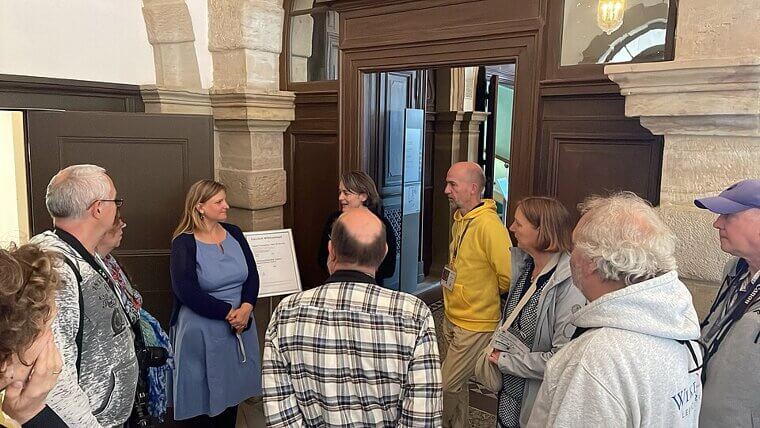
One of the biggest frustrations of large group tours is the constant waiting. Every stop requires gathering dozens of people, counting heads, and accommodating different mobility levels and habits. Even simple transitions can take far longer than expected. If you like to explore efficiently or linger only when something truly interests you, this pace can feel draining. Schedules are built to accommodate the entire group, not individual preferences. That often means rushing through places you enjoy and waiting through stops you do not. Over the course of a trip, this uneven rhythm can add stress rather than reduce it. Instead of feeling relaxed, you may feel rushed and stalled at the same time. Many travelers realize too late that the group pace limits how much they actually get to experience each day.
Free Time Is Usually Limited and Rushed
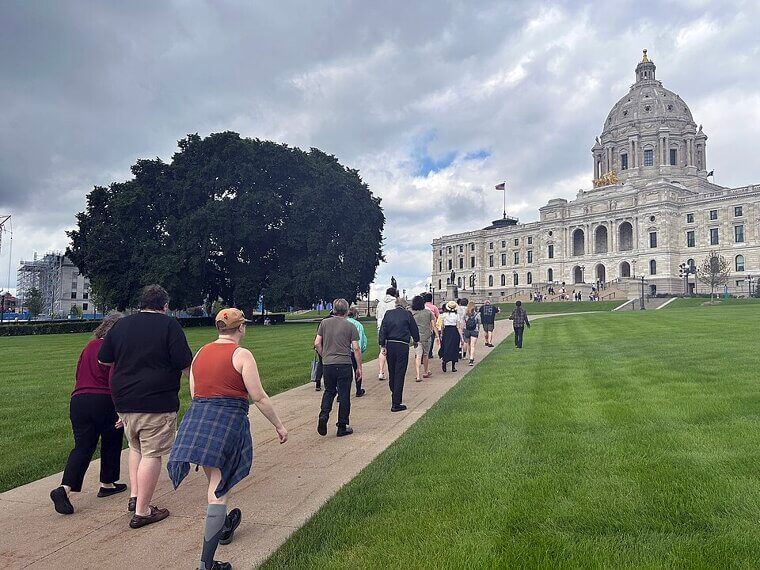
Large group tours often advertise free time, but it is usually brief and tightly controlled. You may have just enough time to grab a coffee or take a few photos before needing to regroup. This makes it difficult to explore neighborhoods, museums, or local shops at your own pace. If something captures your interest, you usually cannot stay longer without risking being left behind. Meals during free time can feel especially stressful, since you are watching the clock instead of enjoying the experience. Over time, this structure can make destinations feel shallow rather than immersive. You see many places but do not truly experience them. For travelers who value unplanned discovery, this lack of freedom can be one of the most disappointing aspects of large group tours.

Experiences Are Designed for Mass Appeal
Large group tours are built to satisfy the widest possible audience. That means activities are often generic and carefully selected to avoid risk or controversy. Unique local experiences are usually replaced with standardized stops that can handle large crowds. Restaurants cater to groups rather than showcasing regional flavor. Cultural encounters may feel staged or rushed. While this approach keeps logistics simple, it can strip away authenticity. Travelers who enjoy learning deeply about a place may find the experience surface level. Instead of feeling connected to the destination, you may feel like you are moving through a checklist. This one size fits all approach often leaves experienced travelers wishing they had chosen something more personal and engaging.
You Spend a Surprising Amount of Time on Buses
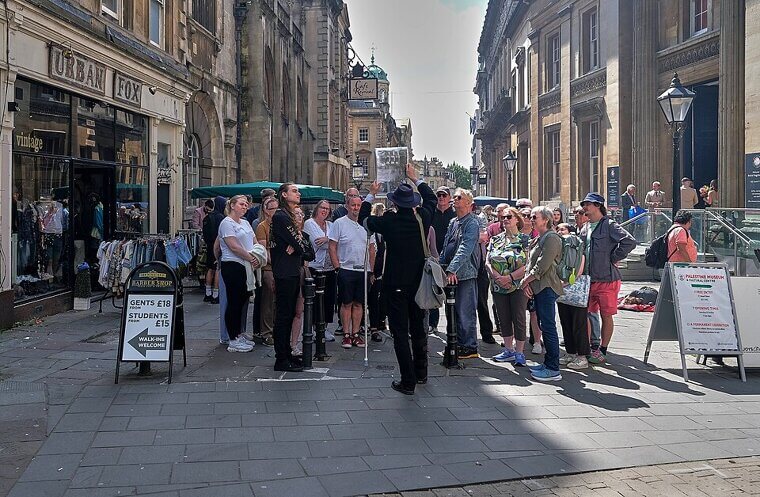
Transportation is a major part of large group tours, and much of it happens on buses. Waiting to board, unloading luggage, and driving between stops can take up a large portion of each day. While buses are practical for moving big groups, they limit spontaneity and add fatigue. Long rides can feel tedious, especially when stops are brief. Sitting for extended periods may also be uncomfortable for some travelers. The constant cycle of load, drive, unload can make the trip feel repetitive. Many people underestimate how much time is spent in transit rather than actually exploring. This can be frustrating when you realize how little time is left at each destination.

Group Dynamics Can Affect Your Enjoyment
Traveling with a large group means sharing space with many different personalities. Conflicting habits, noise levels, and expectations can create tension. A few disruptive travelers can affect the entire group. Guides often need to manage behavior and logistics, which can take attention away from storytelling or insight. You may also feel pressure to socialize when you would rather have quiet time. Unlike traveling independently, there is little escape from the group dynamic. Over several days, these small irritations can add up. For travelers who value calm and independence, the social demands of a large group tour can become exhausting rather than enjoyable.

Schedules Leave Little Room for Rest
Large group tours often pack each day with early starts and long itineraries to fit everything in. While this sounds efficient, it can be tiring, especially over multiple days. There is often pressure to be on time for every departure, meal, and activity, even if you are feeling worn down. Rest days or slow mornings are rare, and skipping activities is usually discouraged or impractical. This pace can turn travel into something that feels more like an obligation than a pleasure. Instead of listening to your own energy level, you are expected to keep up with the group schedule. For travelers who value balance and downtime, this structure can lead to fatigue rather than enjoyment. Many people return home needing a vacation from their vacation because they never had the chance to slow down along the way.

Meals Are Chosen for Convenience, Not Quality
Food is often one of the most memorable parts of travel, but large group tours usually prioritize speed and capacity over culinary experience. Restaurants are selected because they can handle big groups quickly, not because they represent the best local cuisine. Meals may feel rushed, simplified, or adjusted to suit a broad range of tastes. This can mean missing out on regional specialties or charming local spots. You may also have limited choice from set menus, reducing the joy of discovery. For travelers who enjoy food as part of cultural exploration, this can be disappointing. Dining becomes another scheduled stop rather than an experience to savor. Over time, repetitive meals can make destinations blur together instead of standing out.

You See Highlights but Miss Everyday Life
Large group tours focus on major landmarks and well known attractions. While these sites are often impressive, they rarely show how people actually live. Time constraints and logistics make it difficult to explore neighborhoods, markets, or smaller cultural spaces. Interactions with locals are often limited to tour guides or service staff. This creates a polished version of a destination rather than a genuine one. Travelers may return home having seen famous sights but lacking a real sense of place. Independent moments that lead to meaningful memories are hard to come by. For those who travel to understand cultures rather than just photograph them, this can feel unsatisfying. The experience may feel complete on paper but incomplete on a personal level.

It Can Feel Surprisingly Impersonal
Even though you are surrounded by people, large group tours can feel isolating. Guides must divide their attention among many travelers, leaving little opportunity for individual questions or conversation. Personal interests are rarely accommodated. You may feel like a number rather than a participant. The experience becomes transactional, focused on moving people efficiently rather than creating connection. This can be especially noticeable at crowded attractions where groups blend together. Without personal moments, the trip may feel generic. Travelers who value meaningful engagement often find this lack of connection disappointing. What was meant to simplify travel can end up feeling distant and impersonal.
Flexibility Is Almost Nonexistent
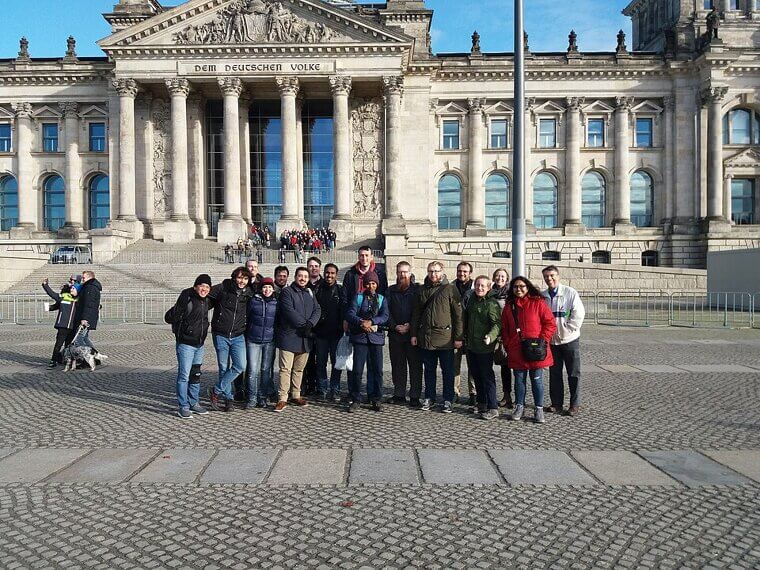
Perhaps the biggest drawback of large group tours is the lack of flexibility. Changes due to weather, mood, or discovery are rarely possible. If you find a place you love, you cannot stay longer. If something does not interest you, skipping it is often not an option. The schedule is fixed well in advance, leaving little room for spontaneity. Travel becomes about following the plan rather than following curiosity. For many people, flexibility is what makes travel memorable. Without it, trips can feel rigid and predictable. Large group tours remove the freedom to shape your own experience, which is why many travelers decide once is enough.