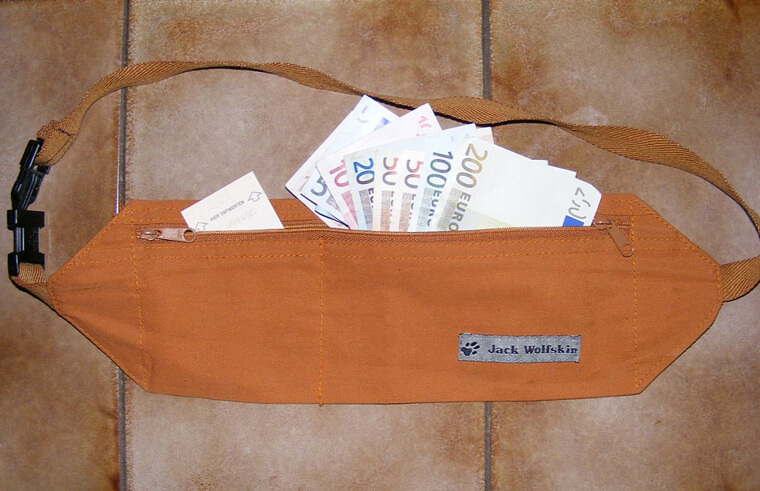
Wear a Money Belt or Hidden Pouch
Flashy wallets and back pockets are easy targets, so quiet concealment is real luxury on the road. Hidden pouches, money belts, and under-clothing wallets keep passports, spare cash, and backup cards out of sight and out of reach. Experienced travelers don’t use these for everyday spending; they’re their emergency reserve. If a bag goes missing or pockets are picked, this hidden stash often becomes the difference between a ruined trip and a minor inconvenience.
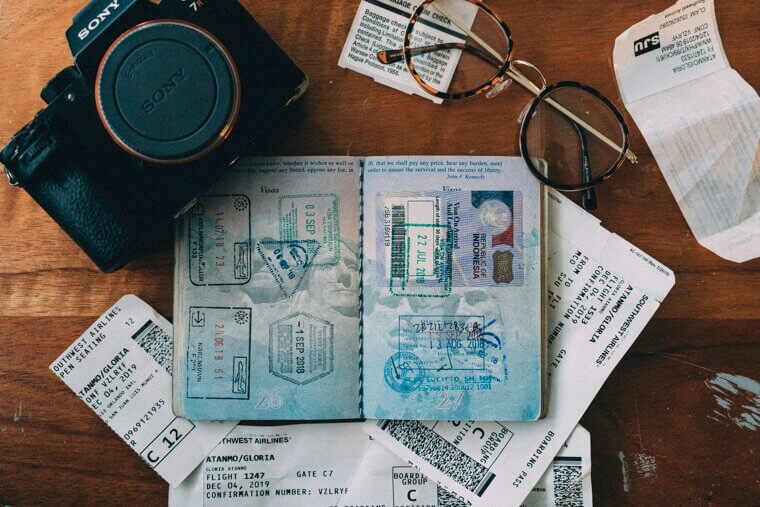
Keep Printed Copies of Important Documents
Veteran travelers know that technology is convenient… until it isn’t. Batteries die, phones get lost, and clouds don’t always cooperate. That’s why keeping printed copies of passports, visas, insurance policies, and emergency contacts remains a quiet classic. Tucked into a separate bag from the originals, these papers can save hours, even days, of stress at embassies, hotels, and border crossings. It’s old-school preparedness, and it still works beautifully in a digital world.
Use a Doorstop or Portable Door Lock in Accommodations
One of the simplest security upgrades fits in the palm of your hand! Older solo travelers often carry a rubber doorstop or compact portable lock to reinforce hotel and rental doors from the inside. It adds a powerful sense of control, especially in unfamiliar properties or locations where door hardware feels questionable. This tiny tool costs little, weighs almost nothing, and can turn an ordinary room into a secure space.

Share Your Daily Itinerary With a Trusted Contact
Seasoned solo travelers treat their daily plans like a quiet safety net. Before heading out, they send a loose itinerary - where they’re staying, where they’re going, and when they expect to return - to someone trusted back home. This simple habit creates a layer of accountability without limiting spontaneity. If plans change, a quick update keeps the safety net intact. It’s not about being monitored; it’s about safety.
Split Cash and Cards Between Multiple Locations
Putting all your financial lifelines in one place is an invitation to chaos. Savvy solo travelers distribute their essentials across backpacks, day bags, luggage, and hidden pouches. One card here, another there… Some cash on hand, some locked away. If one stash is lost or stolen, the journey doesn’t stall. This simple habit turns a potential emergency into a manageable hiccup, keeping movement, confidence and independence flowing smoothly from one destination to the next.
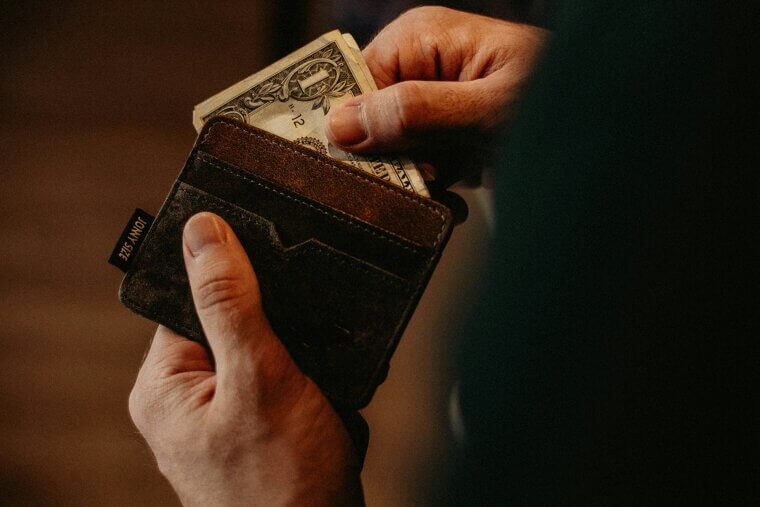
Choose Rooms Above Ground Level but Below the 7th Floor
Room location matters more than most travelers realize. Experienced solo travelers often request rooms above the ground floor to reduce easy street-level access, yet below the seventh floor so emergency services can still reach them if needed. It’s a quiet balance of safety and practicality. These mid-level rooms also tend to avoid excess street noise while staying conveniently accessible. It’s a subtle booking preference that adds a meaningful layer of security without sacrificing comfort.

Carry a Small Flashlight at All Times
Power outages, poorly lit streets, dark stairwells, and countryside roads after sunset all share one thing: they reward travelers who come prepared. A small flashlight - especially a USB-rechargeable or keychain-sized one - can be invaluable in moments both routine and unexpected. Older solo travelers swear by it not just for visibility, but for confidence. Light changes how you see things, and having your own on demand removes a surprising number of travel uncertainties.

Learn Key Emergency Phrases in the Local Language
Fluent conversation is a luxury; survival language is essential. Seasoned travelers make a point of memorizing a short list of emergency phrases in each destination: how to ask for help, police, a doctor, or an ambulance. Even imperfect pronunciation often earns instant cooperation and goodwill. These phrases cut through panic and confusion when every second matters. It’s a small investment that pays off in clarity, dignity, and speed when communication matters most.

Avoid Announcing Travel Plans to Strangers
Openness is one of travel’s great joys, but discretion remains its quiet protector. Older solo travelers tend to share stories generously while keeping future plans vague. Mentioning tomorrow’s train time, hotel location, or solo status to the wrong ears can create unnecessary risk. A simple habit of speaking in generalities helps maintain privacy without sacrificing friendliness. Experience teaches that you can still be warm and engaging without turning your itinerary into public information.
Use Hotel Safes Selectively, Not Blindly
Hotel safes offer convenience, but veteran solo travelers use them with intention. They store backup documents, spare cards, and secondary cash… not everything at once. This balanced approach reduces risk on both sides: belongings are protected while you’re out, yet nothing critical is ever fully beyond reach. Safes vary wildly in quality and access protocols, so selectivity is key. It’s not about distrust; it’s about smart redundancy in unfamiliar environments.
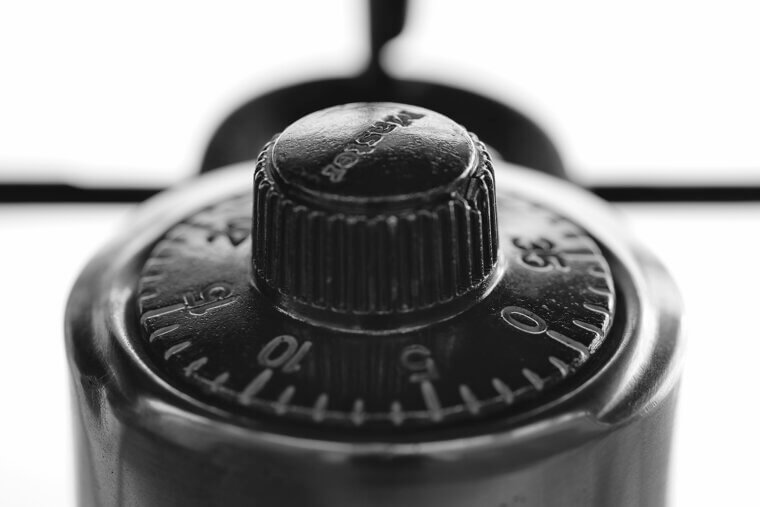
Arrive in New Cities During Daylight Hours
There’s a quiet wisdom in timing your arrival with the sun. Older solo travelers often plan routes so they reach new destinations during daylight, when transportation is clearer, neighborhoods are easier to read, and help is more accessible. Daylight arrivals reduce stress, lower vulnerability, and allow you to get oriented without rush. Even a short walk from the station to a hotel feels different in natural light. It increases safety and confidence.

Regularly Check in With Someone Back Home
A quick message can be a powerful anchor. Seasoned travelers build a habit of checking in with a trusted person at regular intervals - daily, every few days, or after major travel days. It reassures loved ones while quietly reinforcing personal safety. If something ever goes wrong, the timeline of your last contact becomes invaluable. These brief touchpoints don’t tether you to home; they simply create a gentle thread of connection that follows you across borders.

Trust Gut Instincts Over Convenience
Maps, reviews, and schedules are helpful, but intuition remains a traveler’s oldest safety tool. Older solo travelers learn to honor that subtle internal warning when something feels off, even if logic says it’s faster or cheaper. They change seats, reroute walks, leave restaurants early, or skip situations altogether without overthinking it. Convenience can be replaced; peace of mind cannot. That quiet inner voice has been refined by lived experience, and it deserves a seat at every decision.
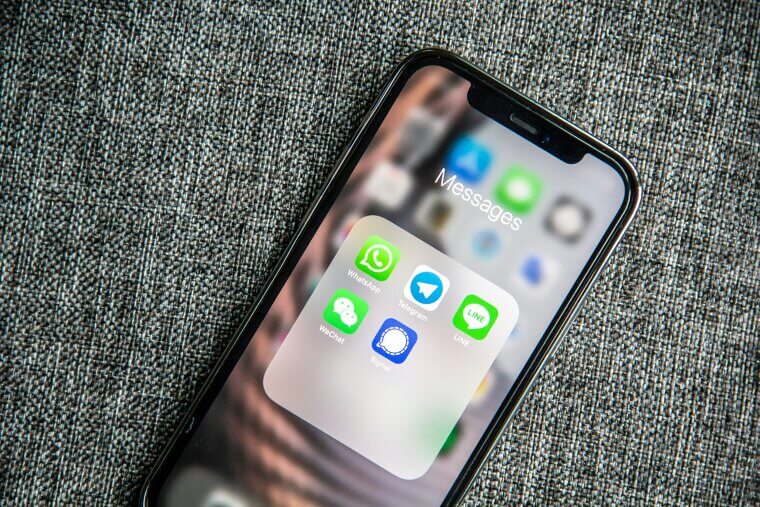
Keep Phones Backed up and Locked
A phone holds more than photos; it carries identity, access, and memory. Veteran travelers protect theirs with strong passcodes, biometric locks, and automatic cloud backups. If a device is lost or stolen, recovery is possible without losing critical information. Contacts, documents, and navigation tools can be restored quickly, turning a major disruption into a manageable inconvenience. It’s the digital equivalent of carrying spare keys and photocopies - quiet protection for a modern necessity.
Use Ride Services Recommended by Accommodations
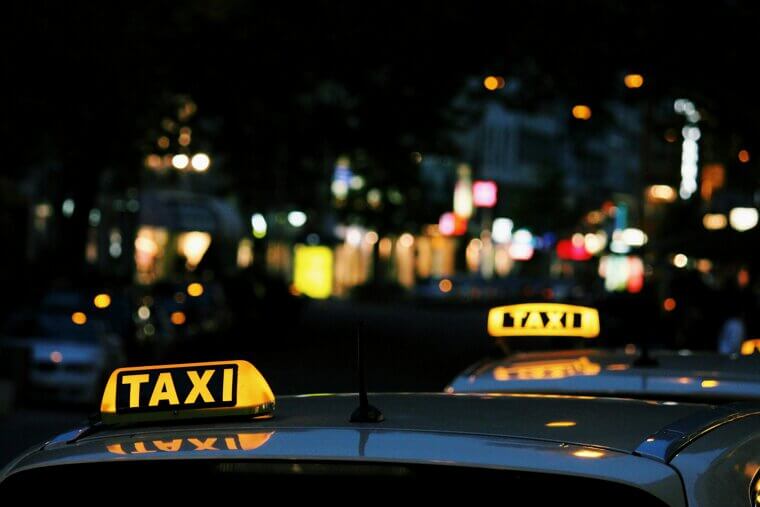
Transportation is one of the most vulnerable points in any journey, which is why experienced travelers often rely on ride services vetted by their hotel, guesthouse, or rental host. These services are typically licensed, traceable, and familiar with safe routes. It reduces the risk of overcharging, misdirection, or unsafe driving. A recommended driver may cost slightly more, but peace of mind, punctuality, and accountability tend to be part of the fare.
Dress to Blend In, Not Stand Out
Older solo travelers know that low profile beats fashion statements when it comes to safety. Dressing in neutral colors, avoiding flashy jewelry, and matching local norms helps you move through unfamiliar areas unnoticed. Blending in reduces the chance of being targeted and allows a smoother experience navigating streets, markets, and public transport. It doesn’t mean sacrificing style entirely - just choosing practicality and subtlety over attention, letting you explore freely without sending unintentional signals.

Keep Medications in Original Labeled Containers
Traveling with medication can be tricky, especially across borders. Experienced travelers keep prescriptions in their original labeled containers, which ensures correct dosage and provides clarity at customs or in medical emergencies. This habit also reduces the chance of losing or misidentifying pills while packing. For solo travelers, it’s a quiet, practical safeguard - protecting health, legal compliance, and peace of mind - so that no minor oversight turns into a major disruption.

Know the Location of Local Hospitals and Embassies
Preparation doesn’t end at packing; knowing where to find the nearest hospital, clinic, or embassy is a hallmark of seasoned travelers. Older solo adventurers often note addresses, phone numbers, and hours before arrival, giving them a critical head start in emergencies. This small research step can save precious minutes and reduce panic if the unexpected occurs. Awareness of official support networks adds a layer of confidence, turning uncertainty into informed readiness.

Avoid Displaying Valuables in Public
A subtle wallet, camera, or phone can make someone an easy target. Experienced travelers keep valuables out of sight, using discreet bags, inner pockets, or anti-theft gear. Flashy displays attract attention, while subtle handling keeps movement and focus on the journey rather than on guarding possessions. This simple habit reduces risk dramatically without changing your itinerary. Safety, after all, often lies in quiet, consistent attention to the small details.

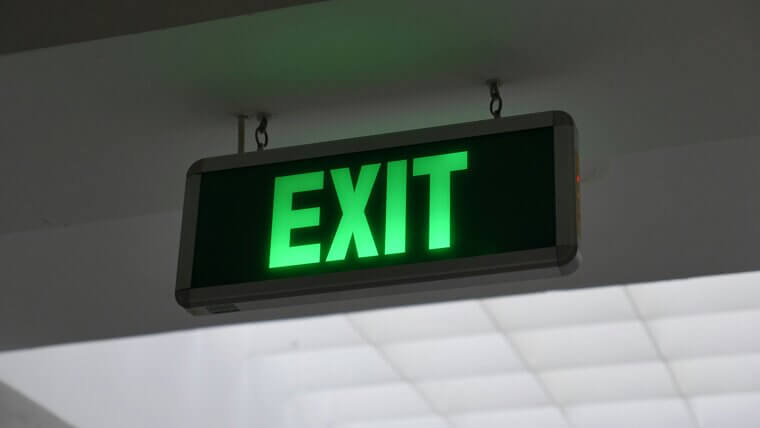
Always Have a Simple Exit Plan for Any Situation
Even the most enjoyable destinations can bring unexpected scenarios. Older solo travelers develop a mental “escape route” for hotels, streets, or crowded venues. Knowing where the nearest exits, taxis, or safe zones are provides calm and control during stress. It’s less about anticipating danger and more about being prepared to move quickly if needed. A clear, simple plan transforms anxiety into actionable confidence, letting every adventure feel secure without sacrificing freedom.