“I Do This All the Time, and It’s Never a Problem. ”
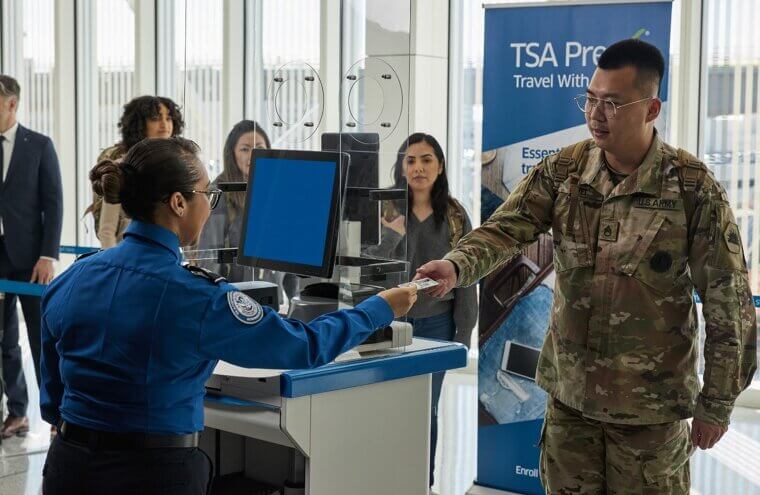
This statement challenges the TSA agent's authority and suggests that you know more about how the rules should be applied. Rules are enforced based on the moment, not your past trips or experiences. What worked yesterday may not work today, even at the same airport. TSA agents hear this phrase constantly, and it rarely leads to a better outcome. Instead, it often slows things down and creates unnecessary tension. Each checkpoint operates with current instructions that can change without notice. Staying calm and flexible usually gets you through faster than trying to argue your way past the line. A cooperative attitude keeps the process moving and draws less attention to you in a crowded checkpoint.
“Is This Where People Usually Get Arrested? ”
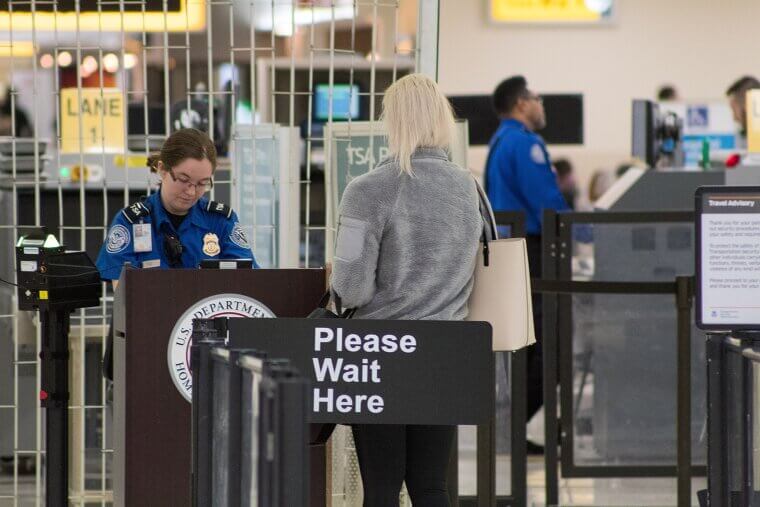
Making jokes about arrests or safety is almost always met with unfriendly responses at airports. TSA agents have to treat comments like that seriously, even if you are smiling. What feels lighthearted to you can prompt the TSA agent to pay extra attention to you.
“I Hope You Do Not Find the Bomb. ”
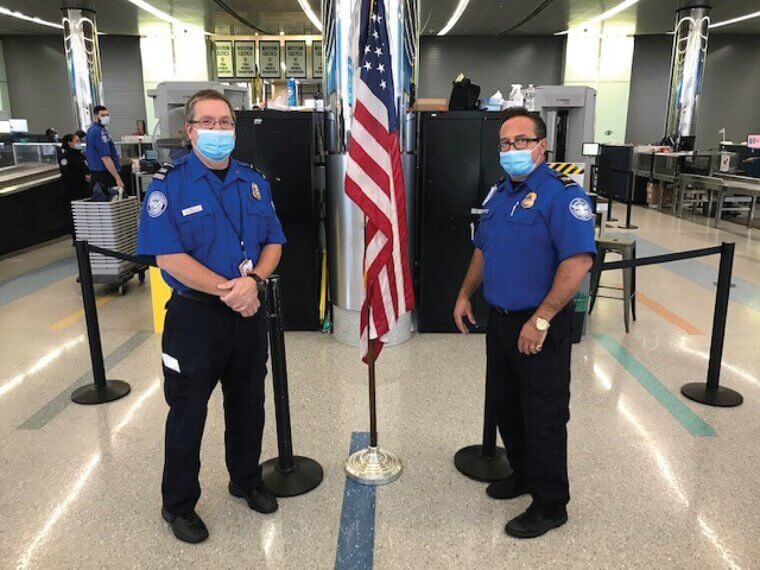
You may think you're joking, but you could quickly turn a standard security check into a very long day. When TSA agents hear comments like this, they must take them seriously. What may seem like a sarcastic or a funny comment to you triggers a series of procedures for them. All of a sudden, bags get searched, a supervisor arrives, and your stress level skyrockets for no reason.
“Do I Really Have to Take My Shoes off? ”
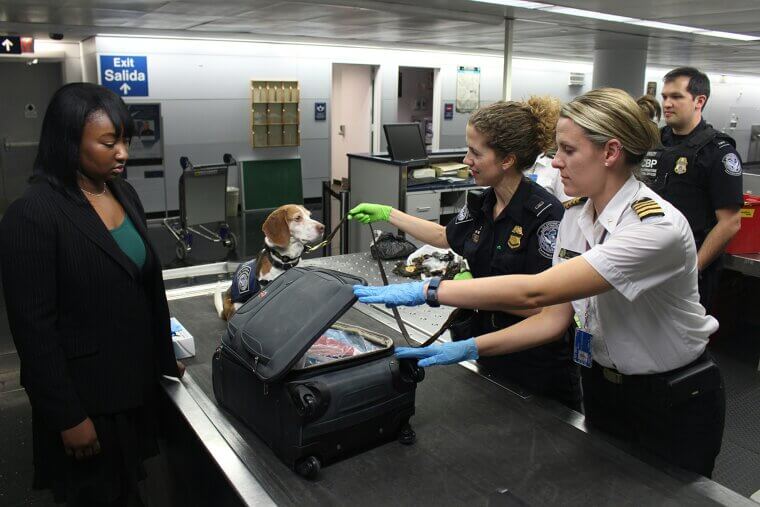
When you ask this question with an attitude, it sets the wrong tone. TSA agents do not make the rules, and they hear this complaint hundreds of times a day. If you ask them in a calm manner, that is fine. However, if you ask them in an annoyed tone, it is only going to make things take longer, and the whole process will feel more tense for everyone involved.
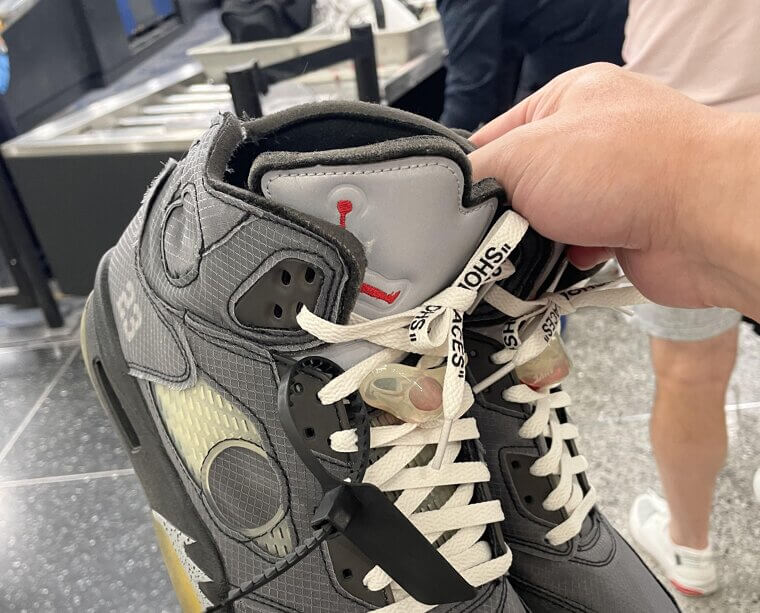
“I Am Running Late. Can You Hurry? ”
When someone tells a TSA agent they are running late, this normally does not help the situation. Security lines run on procedure, not sympathy. It is always better to plan to arrive with extra time than to ask a TSA agent to bend a rule that cannot be bent.
“It Is Probably Nothing. ”
Saying this while a bag is being checked raises instant red flags. Vague comments make agents more alert, not less. If something truly is nothing, staying quiet is the safest move. Offhand comments like this indicate a chance that something could be off and prompt agents to look more closely.

“Can You Make an Exception for Me? ”
This question puts TSA agents in an awkward position because exceptions are not supposed to be made. Asking sounds like you expect special treatment. TSA agents are trained to follow the rules without making exceptions for anyone. When people ask for exceptions, they typically end up getting a closer inspection instead of the quick pass they were hoping for.

“I Forgot I Had That. ”
This statement is rarely helpful. Whether it is a pocketknife, oversized liquid, or something clearly not allowed, saying you forgot makes agents more suspicious. Owning the mistake quietly and following instructions usually keeps things moving much faster.

“You Must Be Bored Checking Bags All Day. ”
Although you may see this as small talk, it often comes across as dismissive. TSA agents are doing a serious job that requires focus and attention. Assuming they are bored is often interpreted as a lack of respect. It rarely lands the way people expect.
“I Saw This on a Travel Hack Video. ”
When people mention online hacks or loopholes, TSA employees are immediately on alert. Using these terms indicates that you are trying to circumvent established rules instead of abiding by them. TSA agents do not enjoy surprises, particularly those inspired by social media.
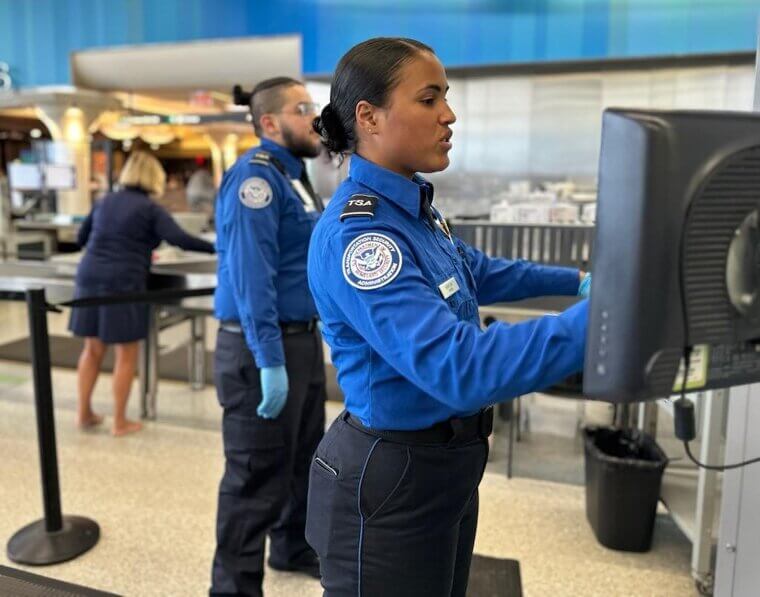
"I Know My Rights. ”
Using this phrase will instantly create tension. Even if you do know your rights, saying it out loud signals confrontation. TSA agents are trained to follow procedures, not debate philosophy. When someone leads with this line, it often results in more scrutiny.
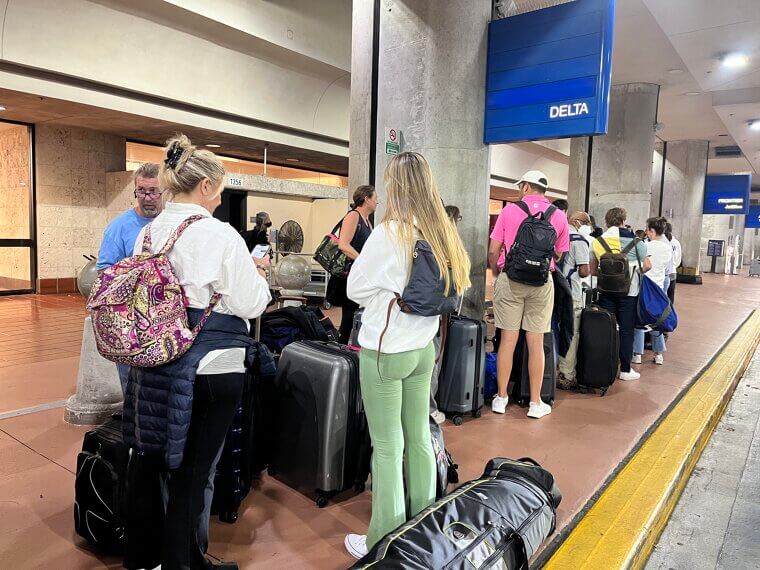
“You Can’t Touch My Bag. ”
TSA agents are there to inspect bags when needed. If you tell them they can’t touch your bag, it indicates that you have something to hide, which will not improve your situation. Even if you feel uncomfortable, there are calm ways to ask questions.
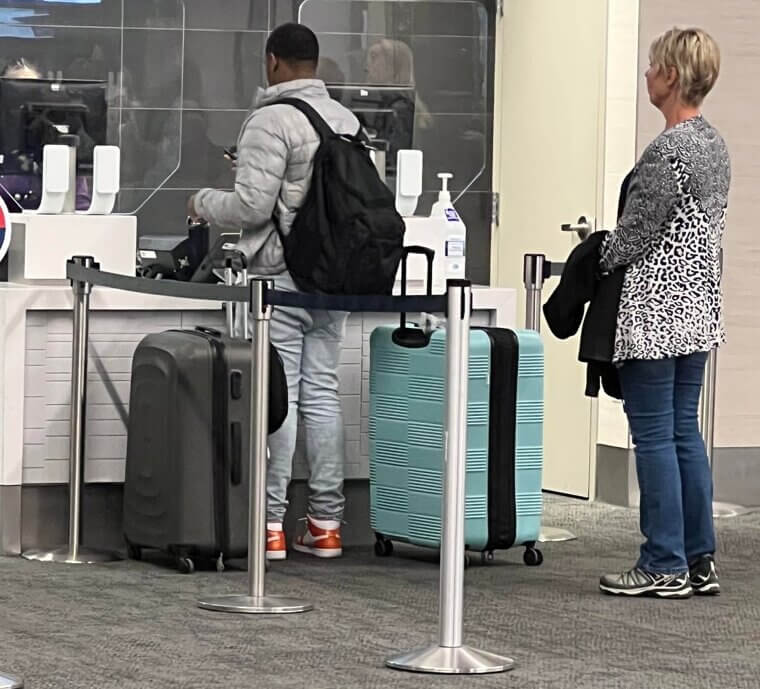
“Can I Record This? ”
The request to record a screening is a red flag to agents. Even when recording is allowed, the request to record the incident builds tension. It may cause the TSA agent to stop the process or ask for a supervisor, resulting in the routine process shifting into a confrontational one.
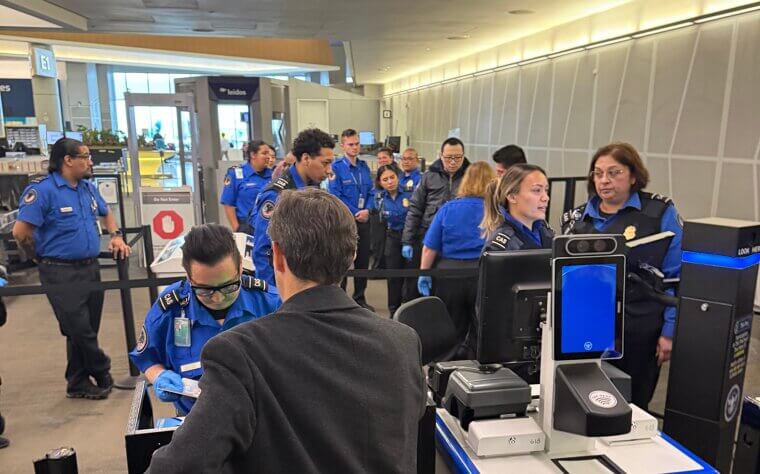
“You Lost My Bag Last Time. ”
Blaming the agent in front of you for a past issue makes things awkward fast. TSA agents do not handle airline baggage after check-in, and they are not responsible for previous experiences. This comment just adds frustration on both sides. Staying focused on the current screening keeps things quicker and more respectful.

“This Is Ridiculous. ”
Calling the process ridiculous out loud rarely improves the situation. It signals frustration and impatience, which makes agents more cautious. Security procedures are not optional, even when they feel inconvenient. Quiet cooperation and patience usually get you through the line much faster with far less stress.
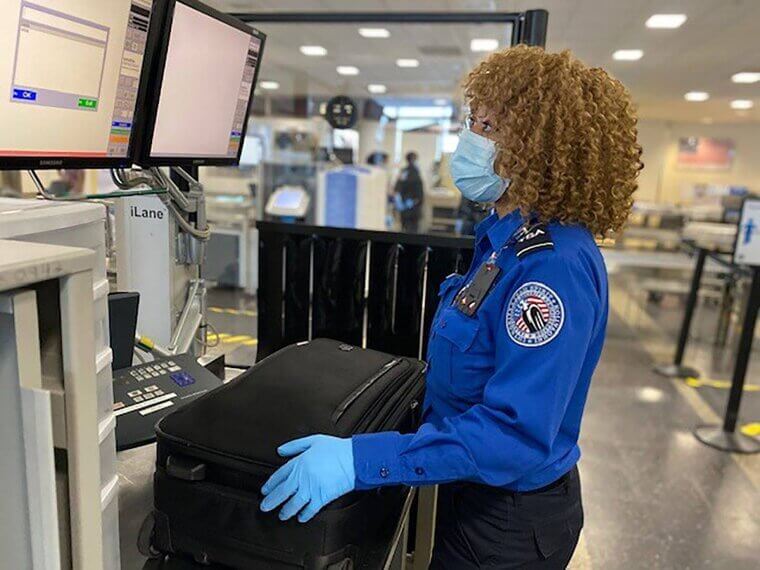
“I Am Basically Pre-Checked Anyway. ”
Saying this sounds like rules should not apply to you. Even travelers with PreCheck still go through screening and can be selected for extra checks. TSA agents hear this a lot, and it never changes the process. Instead of helping, it can come across as entitled and invite closer attention to make sure everything is actually done by the book.
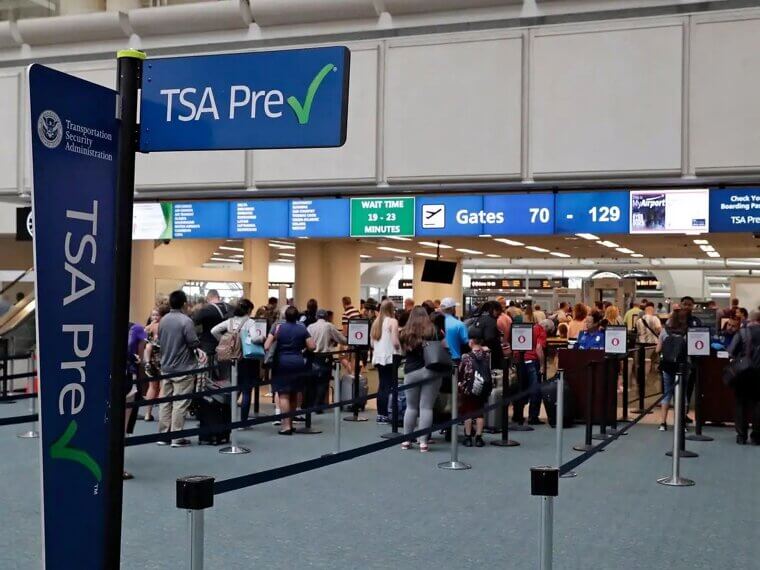
“I Packed It Carefully, so It Should Be Fine. ”
TSA cares about what is inside the bag, not how thoughtfully it was packed. Saying you packed it carefully can sound defensive, like you are trying to talk your way past a rule. If something is not allowed, careful packing does not change that.
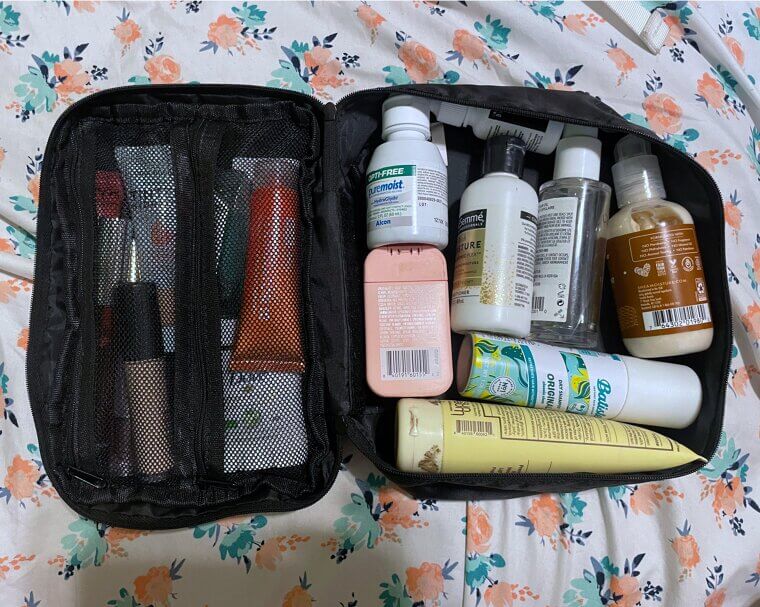
“Can You Just Let It Slide This Once? ”
This puts the agent in a no-win situation. TSA procedures are not flexible favors, and asking for one suggests you expect special treatment. That alone can raise suspicion. Agents are trained to be consistent, not generous. When this phrase comes out, it often results in more scrutiny instead of the quick pass you were hoping for.
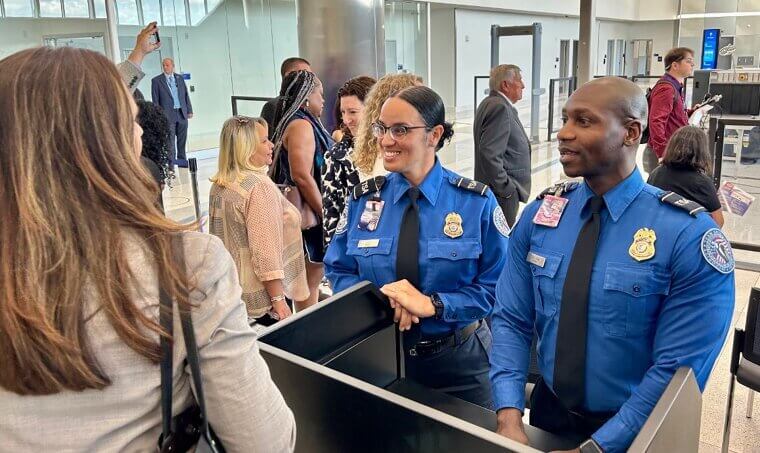
“My Bag Looks Suspicious? ”
Drawing attention to your own bag is never smart. Even as a joke, this comment forces the agent to take it seriously. They cannot ignore statements like that. What might feel like nervous humor instantly becomes a reason to look deeper.
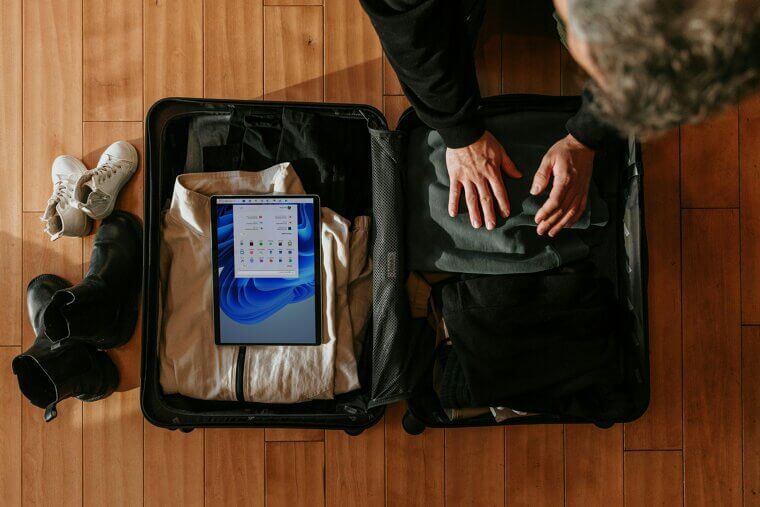
“Are You Allowed to Do That? ”
Questioning an agent’s authority during screening raises tension. Even if you are genuinely curious, this phrasing sounds confrontational. TSA agents are trained on what they can and cannot do. Challenging them mid-process often leads to supervisors and delays. Asking calmly for clarification works much better than sounding like you are questioning their legitimacy.