Visit the Cockpit
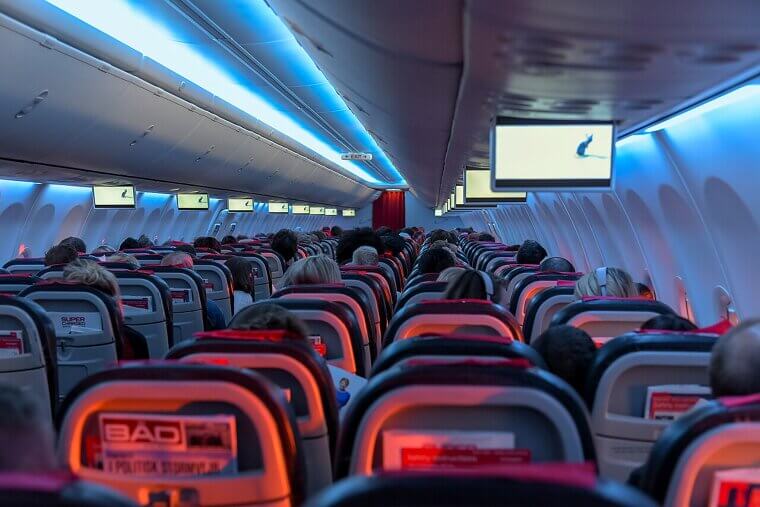
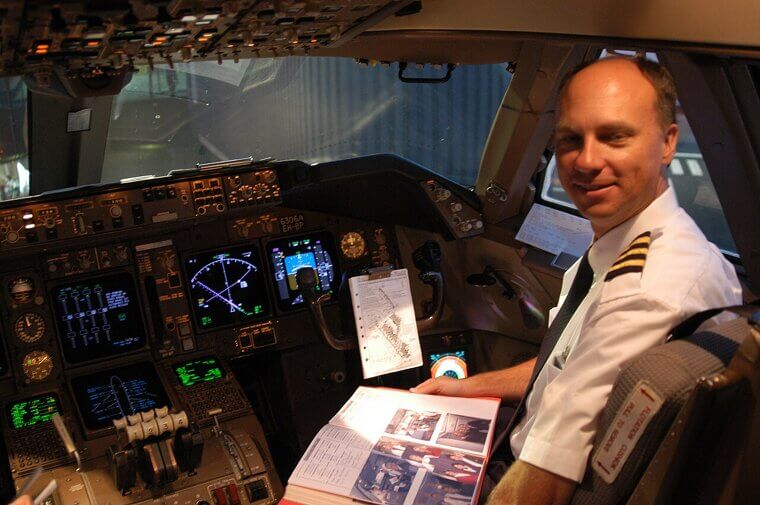
Before stricter security rules were in place, passengers could walk up to the cockpit during a flight. Pilots often welcomed curious travelers, especially kids, letting them see the controls and take photos. This helped make flying slightly less nerve-wracking for those who weren't used to it. After 9/11, however, airlines reinforced cockpit doors and stopped allowing visitors. While this change made sense for safety, it also took away some of the fun of flying. Today, that sense of wonder has been replaced by high-tech seatback entertainment and noise-canceling headphones. We may have lost that intimate connection with the flight deck, but the golden age of aviation lives on in the stories of those lucky enough to have seen the horizon through the captain’s windshield.
Dress Up for Flying
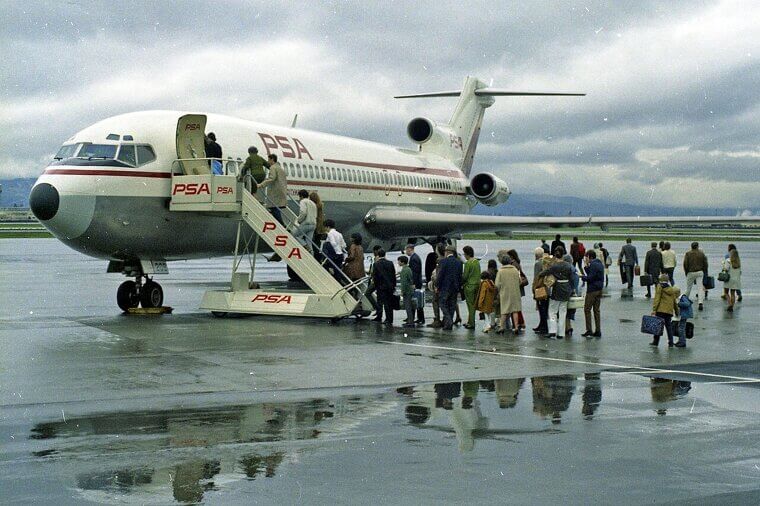
There was a time when flying felt like a special event - not just a way to get from one place to another. People wore suits, dresses and even evening gowns, treating the flight like a night out. Airlines also promoted this glamorous image. As tickets became cheaper and flying turned into an everyday thing, people started dressing more casually. Now, it’s normal to see passengers in sweatpants, hoodies and flip-flops. For most people, comfort is the biggest priority, as flying can be incredibly hard on both the body and mind.
Stretch Out in Spacious Seats
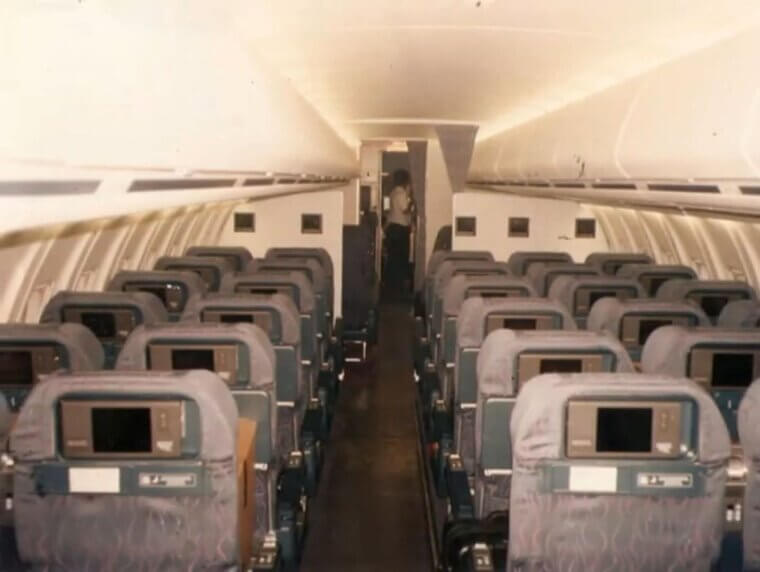
Economy class was once much more comfortable than it is today. The space between rows was several inches bigger, so passengers could easily stretch out their legs. Seats were wider and cabins were less crowded, allowing you to could recline without bothering anyone. You could even lie down if there were empty rows. Airlines used to compete by offering more comfort instead of trying to fit in more people. However, as airlines faced deregulation and tried to cut costs, the space shrank and legroom became a luxury. Now, flying feels extremely cramped and real comfort is only available in premium seats.
Enjoy Gourmet Meals
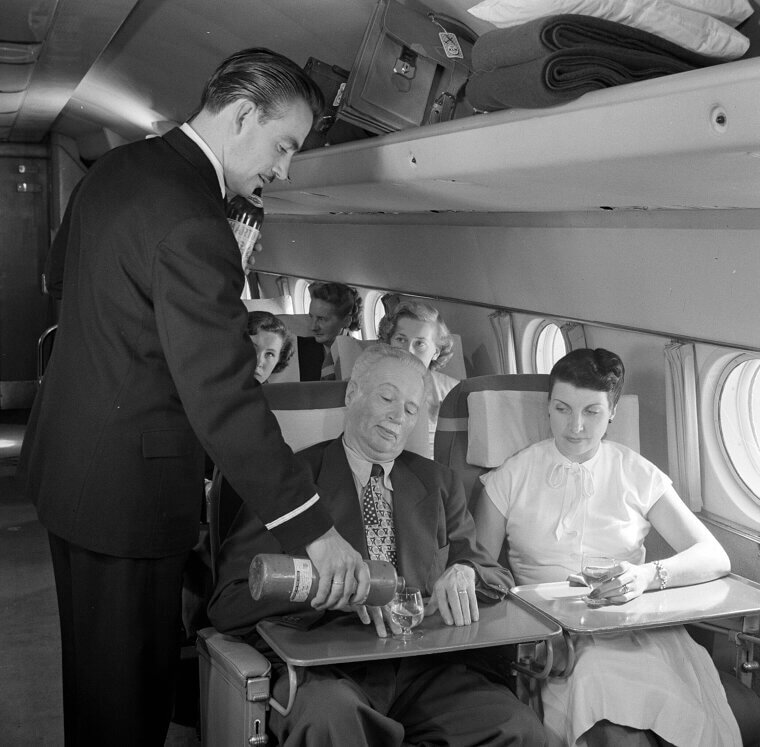
Back in the day, airline dining was something to look forward to. Even in economy class, passengers would enjoy multi-course meals with steak, lobster or roast chicken - all served with care. In first class, the menus would often match those of top restaurants, with champagne being the drink of choice. Additionally, meals were included in the ticket price. As airlines looked for ways to save money, the quality of food dropped and free meals disappeared from many flights. Nowdays, most passengers buy snacks or pre-packaged meals.
Use Real Silverware and Glassware
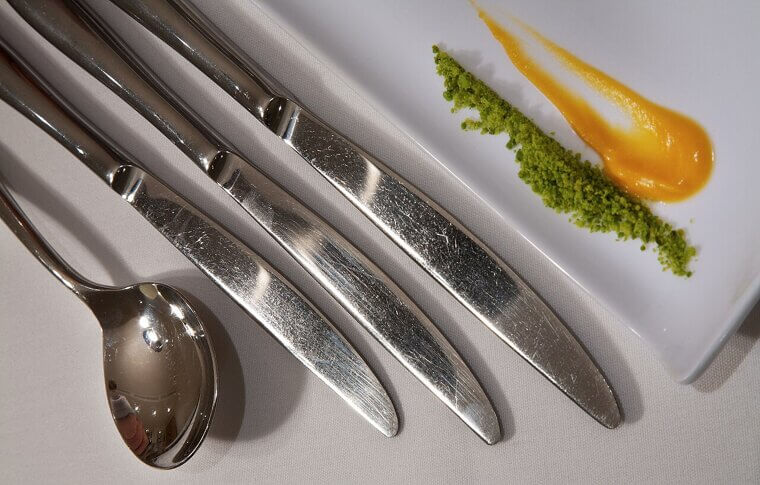
Airlines used to serve meals with metal cutlery, ceramic plates and glass cups, which made dining feel more luxurious and classy. They took pride in offering restaurant-style service. Over time, however, security issues and the need to save money led to plastic utensils and disposable packaging. This change was more practical, but it also took away from the overall experience of flying. Now, real cutlery is only really found in the premium sections of the airplane, such as First and Business Class.
Free Checked Luggage
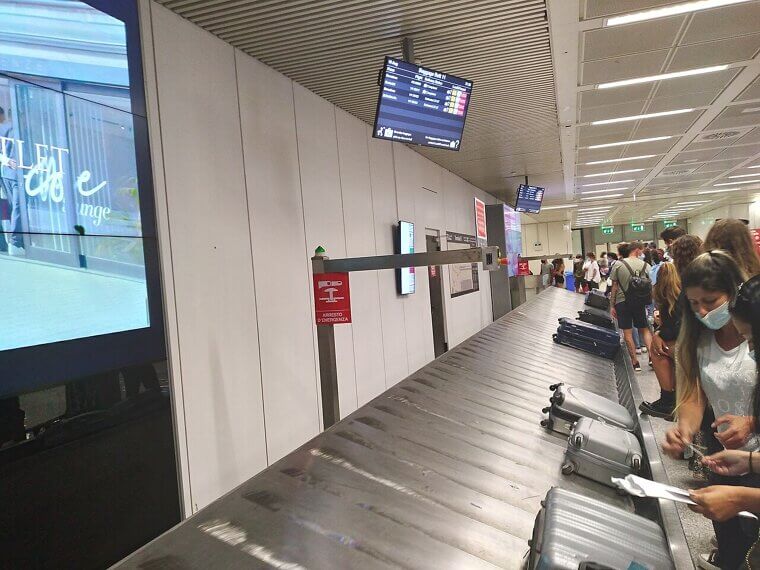
In the past, airlines included checked baggage in the ticket price for most flights. Travelers could bring several suitcases without extra charges, which made things simpler and most cost-effective - especially for families or long vacations. As airlines faced more competition, however, they started adding baggage fees to increase their income. Nowdays, most airlines charge for even one checked bag, with budget airlines often adding fees for carry-ons as well. What used to be a free service has become a major source of profit for airlines.
Smoking in the Cabin
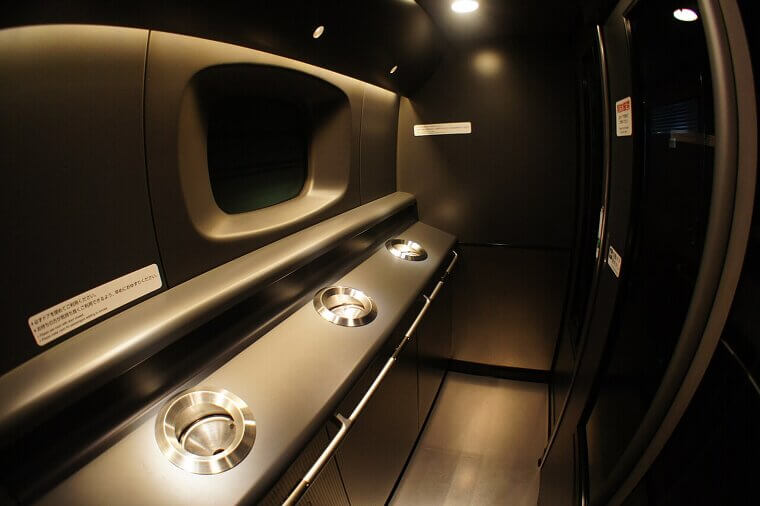
For many years, smoking was allowed and even seen as a regular part of flying. Passengers would light up cigarettes, cigars or pipes during flights, and the cabins often filled with dangerous second-hand smoke. Airlines installed ashtrays in armrests and some planes even had areas set aside for smokers. Although this was once accepted, we now know that the smoke was actually a serious health risk for everyone on board. In the late 1980s, airlines started banning smoking on short domestic flights, and not too long after, the bans spread around the world. Now, the thought of smoking on a plane seems simply ridiculous.
Unlimited Alcohol
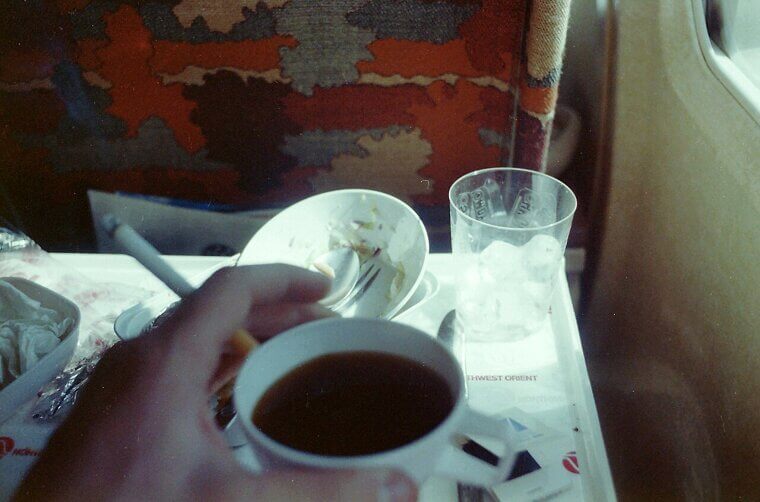
There was a time when alcohol on flights was free and easily accessible. Passengers could drink wine, beer or cocktails as much as they liked, with no real rules or regulations. Flight attendants would keep glasses topped up all flight, with some planes even having fully-equipped bars on board. As years passed, however, new restrictions and budget cuts led to a less generous drink service. Nowdays, many airlines charge for alcohol in economy class. Although safety and moderation are obviously important, unlimited access to alcoholic beverages used to make flying more luxurious and special.
Minimal Security Checks
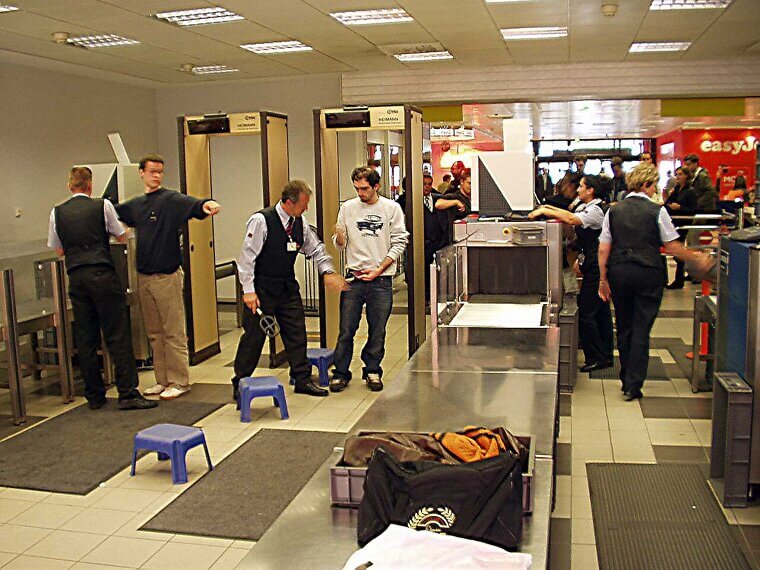
Before 9/11, airport security was much more relaxed. In fact, family members could go with passengers all the way to the gate. Boarding was also a very simple process. There were metal detectors, but no rules about liquids, taking off shoes or body scanners, making it relatively easy to conceal illegal items. People often arrived just minutes before their flight and still made it to their flight. Today’s security is important for safety, but it has also made flying more stressful and time-consuming. Back in the day, boarding was quicker and reflected a time when people had more trust in one another.
Bring Large Liquids
There was a time when passengers could bring water bottles, perfumes and toiletries of any size onto planes. People also brought duty-free alcohol onboard without a second thought, since there were no liquid restrictions. In 2006, things changed when new rules limited liquids to just 100ml containers - mainly due to safety concerns. This shift forced travelers to rethink how they packed and shopped at airports. Although these restrictions were put in place to keep passengers safe, they also made flying feel more stressful.
Personalized Service in Economy
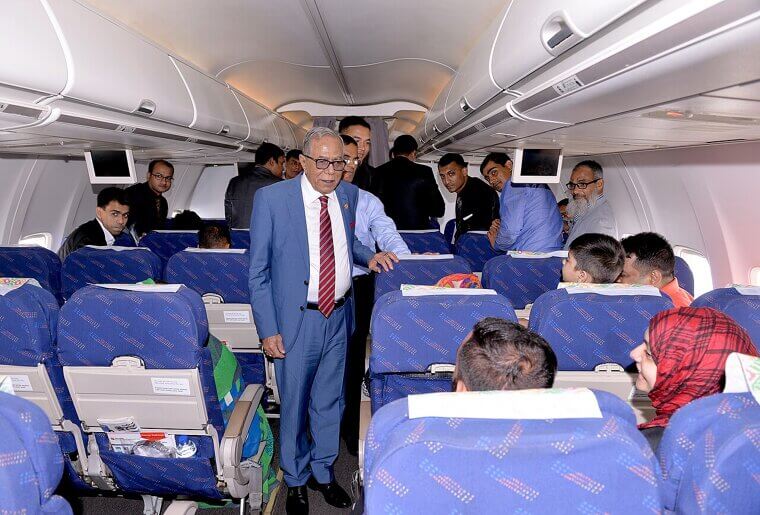
Back in the day, flight attendants used to spend much more time with each individual passenger. Flights had fewer seats and, therefore, fewer passengers to take care of, making service moe personal. Attendants would often greet people by name, offer drink refills and sometimes even sit down for a chat. Back then, airlines made hospitality an important part of their brand. Nowdays, attendants often have to hurry through service because of tight schedules and full cabins. They’re still professional and friendly, but the warmth and personal touch has largely disappeared. These days, flying is more about efficiency than hospitality - especially in economy class.

More Empty Seats
In the past, flights often had more empty seats, allowing passengers to stretch out, nap and move around easily. Airlines focused more on comfort than on making money. However, with the rise of modern booking systems, planes started filling up, making empty seats a rare occurance. Air travel is now cheaper and more profitable for the airline, but the comfort of having extra space is largely a thing of the past. More so, many airlines make families pay extra to book their seats next to eachother.

Smoking Sections Onboard
After smoking bans started, many airlines tried to find a middle ground by creating smoking and non-smoking sections on planes. Passengers could pick where they wanted to sit, but smoke still spread through the cabin. Eventually, airlines banned smoking on flights entirely, as health-concious passengers were still impacted by second-hand smoke. While this sudden change was a shock to many, it ultimately made flying a much more enjoyable experience.
Printed Timetables and Souvenirs
Airlines used to give out printed timetables, postcards and souvenirs. These little extras made flying feel much more special and gave people something to remember their trip. Even now, collectors value old airline memorabilia. However, as digital technology took over and airlines cut costs, these traditions slowly starterd to fade away. Nowdays, most passengers use apps and digital boarding passes. While this is more efficient, it doesn't offer the same charm as a physical keepsake. Overall, most of these personal touches once offered by airlines have been replaced by more straight-forward and cost-efficient approaches.
Themed Interiors and Onboard Lounges
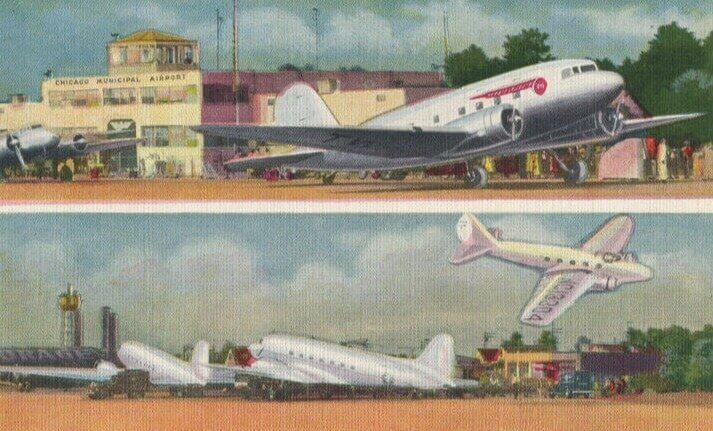
Back in the day, airplane cabins stood out for their unique style. Airlines used bold colors, murals and sometimes even had piano bars or lounges. In fact, flying back then often felt like joining some sort of glamorous club. As time went on, however, airlines focused more on practicality and uniformity. Today’s cabins usually feature minimalistic and basic designs, with very little personality or color. While this does feel more calming and looks professional, it has also taken a lot of fun out of the experience.