The Romance of Uncrowded, Undiscovered Destinations
Before global tourism became commodified by mass-market packages and instant digital booking, many destinations were genuinely difficult to reach, requiring patience, commitment, and often physical travel to a dedicated travel agent. This difficulty naturally filtered the crowds, resulting in quieter beaches, empty temples, and authentic interactions with local cultures that felt exclusive and deeply personal. The true forgotten detail is the joy of discovery: finding a hidden gem through a genuine local recommendation, not through a search engine or a viral social media post showing thousands of others the exact same spot. Travel felt like a privileged exploration, reserved for the curious and resourceful, rather than a prescribed checklist activity performed by millions. The lack of omnipresent crowds meant the traveler felt like a guest, not an intruder, significantly enhancing the sense of awe and connection with the historical or natural sites.
The Lost Luxury of Genuine, Unobtrusive Customer Service
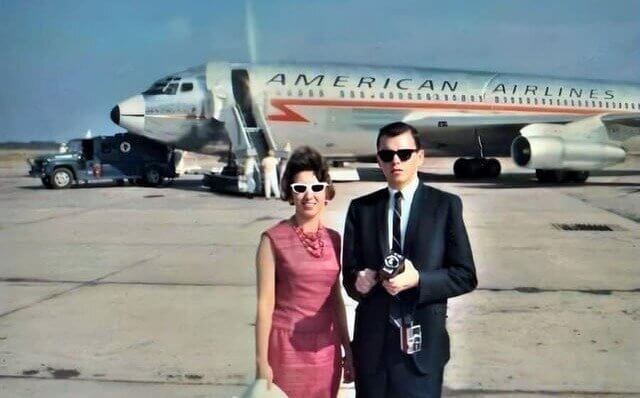
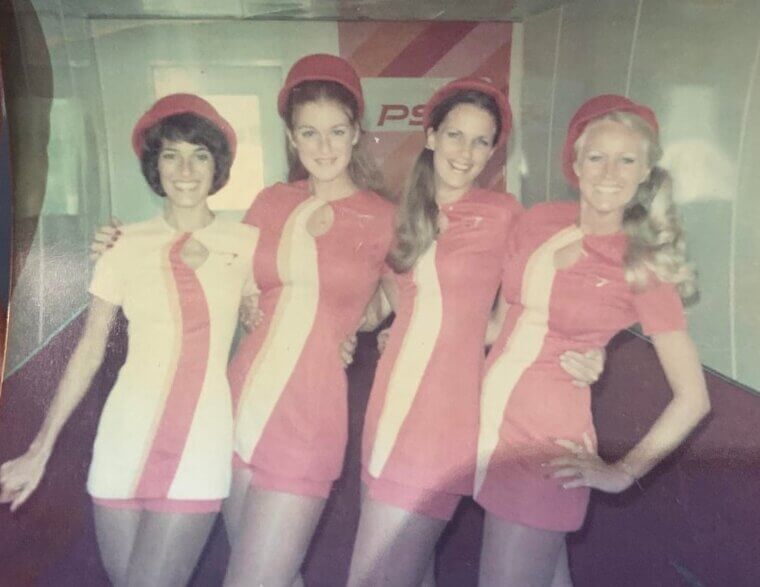
Travel in the 1960s was defined by service that was personalized, professional, and almost invisible. Flight attendants were not merely safety officers; they were hospitality professionals who treated every passenger as a welcomed guest, often knowing names and preferences. This extended to hotels, where the concierge was a true local authority, not just a digital interface but a resourceful insider who could secure last-minute tickets or recommend hidden gems. The simple, forgotten detail was the human element: staff were empowered to solve problems directly and elevate the traveler's experience without needing manager approval or relying on rigid script adherence. This meant a minor issue, like a delayed meal, was fixed instantly with a personal touch, fostering genuine goodwill. Younger generations only know travel as a transactional commodity, navigating chatbots and automated systems when things go wrong; we remember it as a high-touch service where the human connection was prioritized, making the entire journey smoother and more pleasant from start to finish. This feeling of being cared for is a fundamental luxury that has vanished from modern mass travel.

The Simplicity and Speed of Airport Security
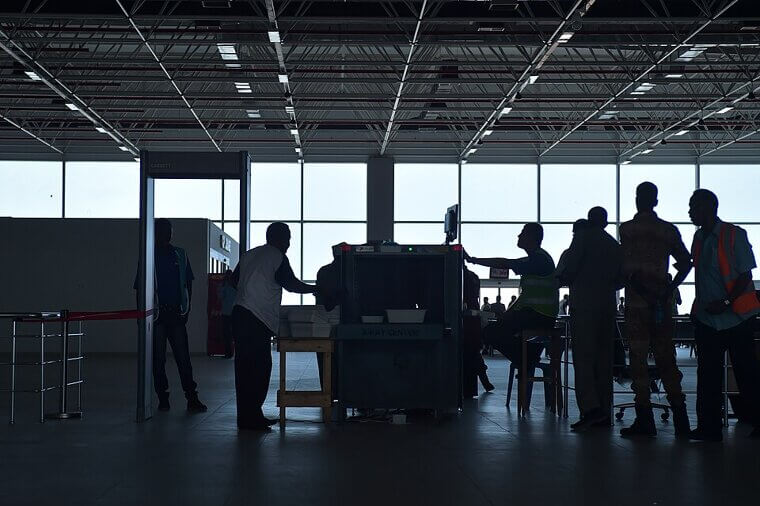
The greatest contrast between past and present travel is the speed and utter lack of friction at the airport. In the 1960s, a passenger could arrive at the terminal moments before a flight, walk directly to the gate, and board without removing shoes, belts, or liquids. The process felt civilized, efficient, and deeply respected the traveler's time and dignity. There was no need to allocate three hours for processing; the journey began seamlessly. The security measures we endure today, while necessary due to global changes, have fundamentally altered the experience, transforming the airport from a seamless portal into a stressful, time-consuming gauntlet. The younger generation has never known the ease of walking onto a plane in under fifteen minutes. Furthermore, the simplicity meant less anxiety about compliance and more mental energy reserved for enjoying the trip itself, a key factor that made the travel day feel less like an ordeal and more like a glamorous beginning.
The Superior Comfort and Space on Commercial Flights
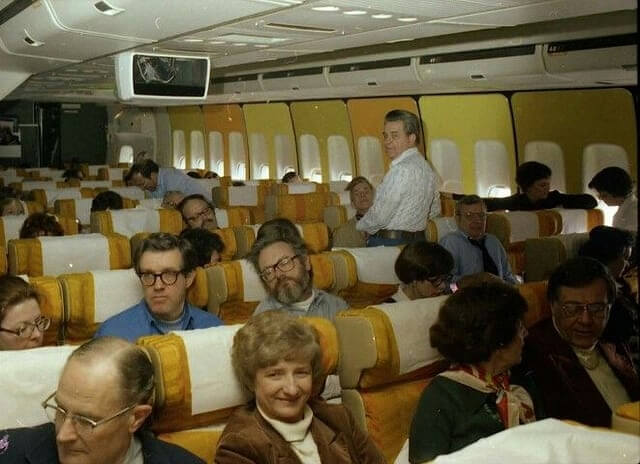
Air travel in the 1960s, even in economy, offered more generous seat pitch, wider seating, and far less restrictive carry-on rules than today's cramped cabins. Planes like the Boeing 707 and Douglas DC-8 were designed with spacious interiors, sometimes including small lounges or designated social areas, and the focus was squarely on comfort during the journey, not maximizing the number of seats. Meals were proper culinary events, served on real porcelain with metal cutlery, often accompanied by complimentary cocktails and beverages, and the overall atmosphere was celebratory and luxurious. The younger generation has been conditioned to accept minimal space, pre-packaged snacks, and maximum discomfort as the standard reality of air travel. They are missing out on the era when the journey itself was considered an integral, high-value, and enjoyable part of the vacation experience, setting a positive tone before even reaching the destination.

The Freedom of Last-Minute, Unplanned Travel
Back then, travel was less about micro-management and more about spontaneity and adventure. Families could often pile into the car for a road trip without pre-booking every hotel, relying instead on the established network of roadside signs, local diners, and charming independent inns. Finding a hotel vacancy was a genuine adventure, not a modern digital crisis requiring constant phone checking. The rigid planning demanded by modern digital booking systems, where the best rates vanish instantly and everything must be reserved months in advance, completely eliminates this sense of flexible freedom. Our generation understood that a good trip allowed room for delightful, unplanned detours, last-minute decisions, and the opportunity to stumble upon unique, unlisted locations, something today's tightly scheduled, algorithm-driven travel severely prohibits. That trust in finding accommodation locally fostered true exploration.

Paper Tickets and the Clear Authority of the Agent
Holding a paper ticket booklet felt authoritative and tangible; it was a physical representation of the journey and a genuine contract and proof of purchase. More importantly, the human travel agent or counter clerk was a skilled professional who acted as your intermediary and powerful problem-solver. In case of significant delays or cancellations, you spoke to a person who had the immediate, physical authority to reroute your travel using simple stamps, carbon copies, and handwritten endorsements, not a frustrated traveler battling an unresponsive app or a distant call center. The forgotten detail is the trust placed in human expertise and decentralized decision-making, which often resolved major hiccups and logistical nightmares far faster and more effectively than today's bureaucratic digital customer service queues allow. The ticket was a symbol of agency, not a fragile code.

The Simplicity of Luggage Handling
The modern traveler's relentless focus on carrying on everything today stems directly from the anxiety surrounding lost bags and the punitive costs of high checked-bag fees. In the 1960s, travelers confidently checked their heavy suitcases, knowing they would reliably arrive at the destination. This was a non-negotiable part of the airline contract. The baggage claim process was simpler, and the cost was typically included in the original fare. This vital service freed up the passenger to move through the airport and city centers with ease, without the physical burden and stress of wheeling bulky carry-ons through gates and security lines. We remember the distinct luxury of simply handing off our luggage at the curb or check-in and knowing it was handled professionally, a stress-free convenience that has sadly been sacrificed in the pursuit of greater airline revenue and cost-cutting measures.
The Value of Local Currency and Clear Exchange Rates
While technology offers instant, often confusing, digital conversion rates, the analog act of using traveler's checks or exchanging currency with a local teller imparted a clear, defined understanding of value that the younger generation largely misses. You knew exactly what the conversion rate was and how much physical local currency you possessed. The hidden fees, dynamic currency conversion rates, and mysterious bank processing charges associated with modern credit card use often obscure the true, final cost of international purchases, leading to unexpected bill shock weeks later. The older generation’s analog methods, requiring a physical transaction at a counter or a bank, instilled essential financial discipline and immediate awareness of exchange rate losses, making them smarter, more present international spenders compared to today's abstract digital transactions.

Genuine Opportunities for Digital Detox
Before ubiquitous Wi-Fi and affordable mobile data plans, travel was, by default, a mandatory and often blissful digital detox. Being genuinely "off the grid" was the expected state, which forced travelers to fully immerse themselves in their immediate surroundings and truly connect with their companions without the constant distraction of notifications, work emails, or social media updates. The forgotten detail is the profound mental rest and clarity achieved when the world simply cannot reach you for extended periods. This forced disconnection allowed for deeper reflection, more observant appreciation of history and culture, and a greater presence during the travel experience itself, fostering richer memories that were not mediated by a glowing screen or the need for instant communication. The silence was an amenity.
The Absence of Review Culture and Performance Pressure
Travel used to be an intimate, personal experience, focused on individual enrichment, not a public performance requiring validation. There was absolutely no external pressure to instantly rate every restaurant, photograph every single dish, or document every moment for the approval and immediate judgment of an online audience. You traveled solely for personal curiosity and enjoyment, not for generating content. This freedom from the judgment of endless online reviews meant that experiences could be genuinely enjoyed without the modern anxiety of whether they were "Instagrammable" or up to the standards of an anonymous horde. The lack of performance pressure allowed for honest, sometimes flawed, but ultimately more authentic and less stressful journeys where the traveler was the primary audience. The focus was internal, not external.