The Immediate Public Review and Complaint Culture
The tendency among younger travelers to immediately air minor grievances on social media or leave a negative public review before attempting private resolution is seen as both unprofessional and unfair by older generations. Seasoned travelers operate on the protocol of escalation: politely inform the front desk manager, then the general manager, allowing the organization a fair chance to fix the mistake. This process often yields better results (upgrades, refunds) and is far more productive than public shaming. Furthermore, private feedback offers constructive criticism, while public online venting often feels entitled and fails to recognize the immense pressure hospitality workers face daily.

The Peril of Relying Solely on Digital Boarding Passes
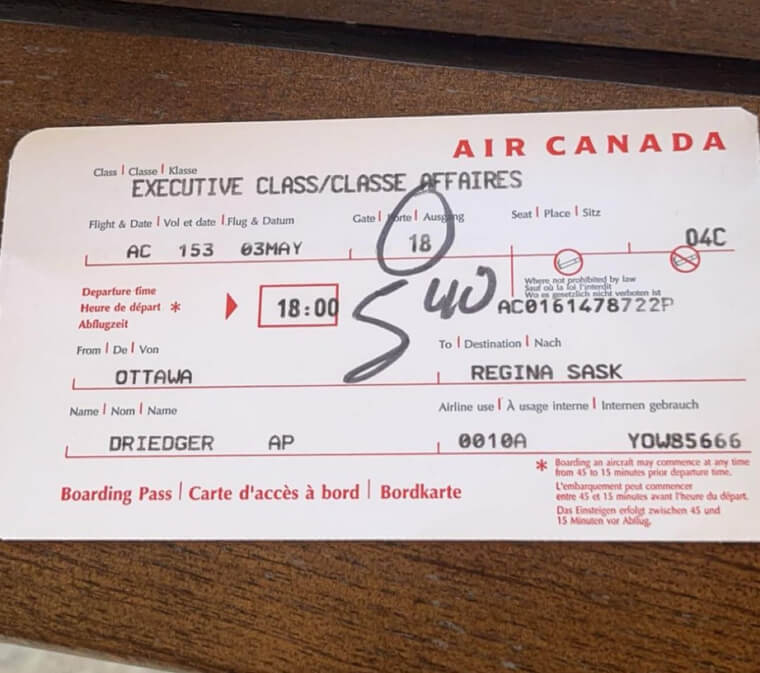
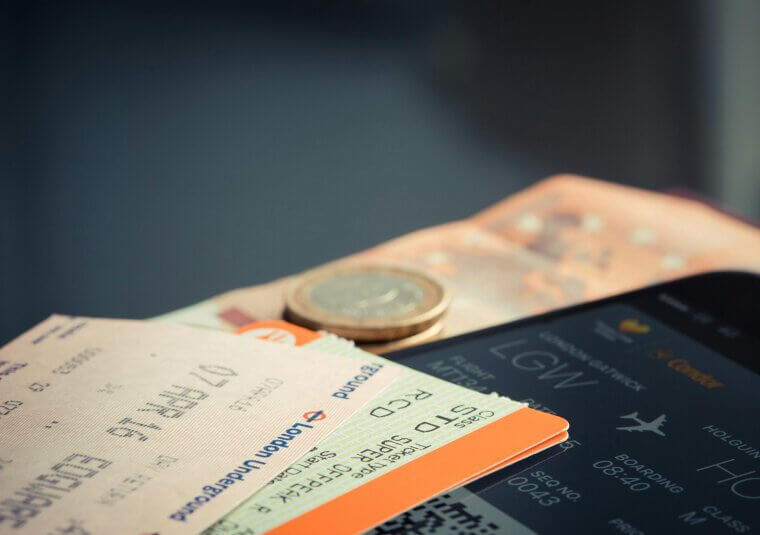
Seasoned travelers understand that technology can and will fail, especially in unfamiliar countries or remote terminals. The younger generation’s absolute dependence on a phone for every critical document, boarding pass, passport photo, hotel confirmation is viewed by older travelers as a self-inflicted risk. A dead phone battery, a corrupted file, or a temporary system outage can instantly derail an entire itinerary. Seasoned travelers always maintain redundancy; they print paper copies of crucial documents and screenshots of QR codes, which acts as a quick, reliable backup when connectivity is lost. This simple practice ensures efficiency, prevents panic, and eliminates the need to hold up a long line of waiting passengers while struggling to find a misplaced file on a dying phone. The paper backup is the ultimate fail-safe against the chaos of digital dependence.
The Lack of Foundational Navigation Skills Without GPS
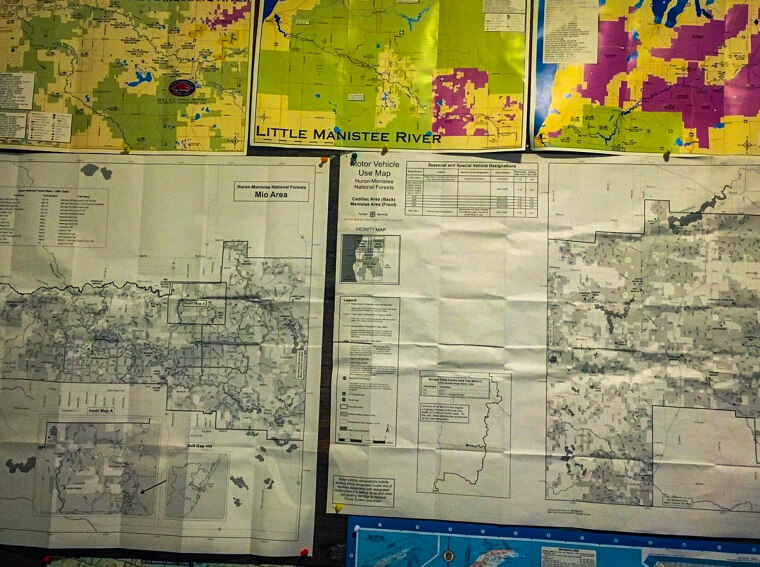
Many older travelers mastered navigation using basic tools: the sun, landmarks, street signs, and an actual paper map. This developed situational awareness and a deeper understanding of the environment. Today, many young travelers are completely paralyzed if their phone loses signal or runs out of battery because they lack this foundational skill. Seasoned travelers find this dependency frustrating because it shows a failure to prepare. A useful tip for all ages is to download maps onto your device before leaving the hotel or Wi-Fi zone, ensuring offline accessibility. Furthermore, learning to identify major landmarks and the direction of the setting sun can prevent you from being stranded and turn a stressful loss of connection into a minor, recoverable inconvenience.
The Constant Need to Film and Document Every Single Moment
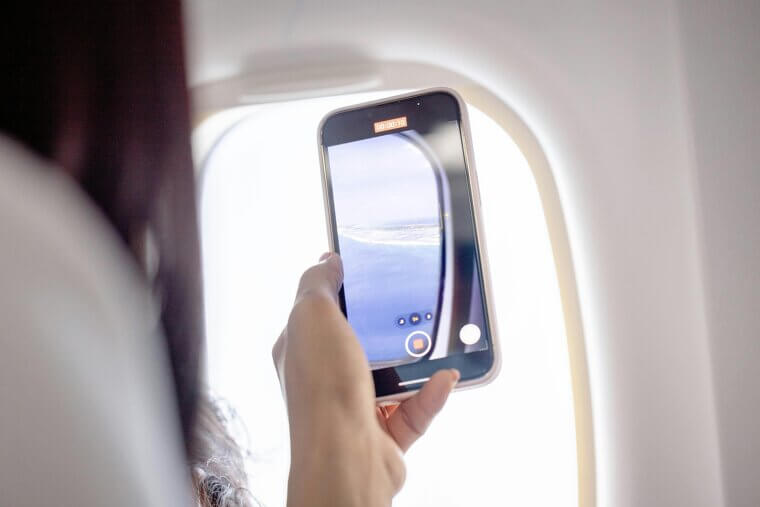
While documenting travel is essential, seasoned travelers observe a generation that spends more time meticulously filming a site for a 15-second social clip than actually engaging with the site itself. This often leads to unnecessary blocking of pathways, delays for tour groups, and a general lack of mindful appreciation. The true regret is realizing after the trip that the trip that the entire experience was mediated through a screen, rather than through direct sensory input. Veterans advise a strict "20-minute rule": spend the first 20 minutes fully immersed, observing, and reflecting without the camera, and then dedicate a brief, specific period for capturing necessary photos or video. This technique preserves both the memory and the flow of tourism.
Ignoring Basic Queue and Boarding Etiquette
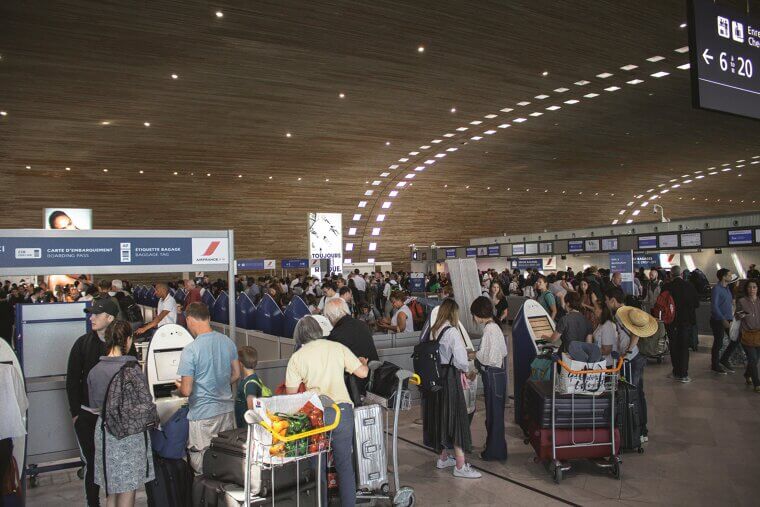
One of the most common frustrations for veteran travelers is the lack of respect for established queuing systems. Whether it’s crowding the boarding gate before the group is called, attempting to cut into the taxi line, or failing to maintain appropriate distance at airport security, this behavior signals a lack of awareness or self-entitlement. Seasoned travelers understand that orderly, patient queuing is essential for maintaining efficient operations. A key tip is to observe the local culture's queuing style; in some countries, lines are fluid and messy, while in others, they are rigidly enforced. By joining the queue well back from the entrance and maintaining your position without crowding, you show respect to staff and fellow travelers.
The Excessive Volume of Personal Technology Use in Quiet Zones
Older travelers value peace and quiet in shared transition spaces like airport lounges, library-like train cars, and hotel hallways, viewing them as essential zones for relaxation and preparation. The younger habit of conducting loud video calls or playing media at a volume that intrudes upon this silence is highly frustrating. A loud speaker phone conversation breaks the ambient calm instantly. Veterans know that the unspoken rule is to use "library voices" or, ideally, utilize high-quality noise-canceling headphones for all media. If a call must be taken, step away to a private corner or a dedicated business center to avoid disrupting others seeking rest or concentration.
Impractical and Fashion-First Packing Choices
Seasoned travelers often prioritize practical, versatile, neutral, and durable layers, subscribing to the "carry-on only" philosophy. Younger travelers are frequently observed prioritizing bulky, non-versatile fashion items that necessitate checked luggage, leading to delays, fees, and the risk of loss. The experienced approach advocates for the "5-4-3-2-1 rule" five sets of socks/underwear, four tops, three bottoms, two pairs of shoes, one jacket, which ensures maximum variety for minimum weight. This method avoids the financial regret of lost bags and the logistical struggle of dragging excessive weight across cobblestone streets and through crowded terminals.

Failure to Research or Respect Local Cultural Norms
While confidence is good, a lack of cultural humility can lead to deeply embarrassing or even dangerous situations. Seasoned travelers make it a point to research and respect local norms, specifically regarding dress codes for religious sites, tipping customs, and non-verbal communication. Younger travelers sometimes assume global uniformity, wearing shorts to basilicas or speaking loudly in quiet temples. Older adults understand that a few minutes of research or learning five basic phrases can prevent major faux pas, signaling respect rather than ignorance. A simple search for "local etiquette" before arrival is a necessary step that should never be skipped.

The Financial Regret of Exchanging Cash at Airport Kiosks
The younger generation, accustomed to seamless digital payments, often makes the cardinal financial error of using airport currency exchange kiosks for large sums. This incurs punishing exchange rates and high fees. Seasoned travelers learned long ago that the best rates are secured either by withdrawing cash from a local bank ATM using a travel-friendly debit card or by relying entirely on credit cards with zero foreign transaction fees. Experts confirm that stopping this single airport habit can save travelers hundreds of dollars over the course of a long international trip. The lesson learned is that convenience always carries a premium in finance.
The Inability to Disconnect and Engage With Travel Companions
The constant connectivity of the younger generation leads to a frustrating dynamic where attention is split between the location and the stream of notifications on their device. Older travelers, who grew up without constant digital distraction, prioritize quality time and being fully present with their companions. This behavior causes seasoned travelers to lament the loss of deep, uninterrupted conversations and shared silent appreciation of a moment. A useful rule for all travelers is to establish "phone-free zones" during meals and at evening social times, ensuring that the primary connection on the trip remains human, not digital.