Always Chasing the Absolute Cheapest Fare
Many people believe that searching for the cheapest fare possible is a productive and effective way to get the best deal on an airline ticket. Unfortunately, the vast majority of the lowest-priced fares come with many additional limitations and restrictions. For example, no free bags, no seat choice, and no changes without large fees. While the ticket seems cheap, every little add-on costs extra.
Over time, one schedule change or mistake can wipe out all those savings. Spending a little more money up front for flexibility often ends up cheaper and way less stressful when real life does not go according to plan.
Over time, one schedule change or mistake can wipe out all those savings. Spending a little more money up front for flexibility often ends up cheaper and way less stressful when real life does not go according to plan.

Ignoring Airline Loyalty Programs
Many millennials jump between airlines based on who is cheapest that day. It feels practical, but it keeps you from ever earning real rewards. Points, free flights, upgrades, and fee waivers all require consistency. Starting over every time means never cashing in.
Long-term travelers who consistently fly with one or two airlines typically have lower overall costs. The benefits offered by a loyalty program will help to offset costs and make traveling much easier.
Long-term travelers who consistently fly with one or two airlines typically have lower overall costs. The benefits offered by a loyalty program will help to offset costs and make traveling much easier.
Booking Through Third-Party Apps Only
Booking flights through apps is often seen as a fast and easy process. The problems begin when things do not go as planned. Instances of cancellations, delays, and changes often lead to being passed back and forth between the app and the airline. Neither party is unwilling to accept full responsibility for the situation.
Airlines usually help direct customers first. That means people who booked through apps may have to wait longer or pay more to resolve issues. A few dollars saved upfront means nothing if one disruption turns into hours of frustration.
Airlines usually help direct customers first. That means people who booked through apps may have to wait longer or pay more to resolve issues. A few dollars saved upfront means nothing if one disruption turns into hours of frustration.
Skipping Travel Insurance to Save a Few Dollars
Many folks feel comfortable skipping travel insurance because they think there is no need for it. Skipping insurance is a great way to keep your costs down. The issue is that very rarely do trips run without interruptions. Illness, missed connections, or cancellations happen more than anyone expects.
When you do have an issue, the financial loss can be immense. That small insurance cost can protect hundreds, if not thousands of dollars, if your trip does not go according to plan. While not buying insurance may seem thrifty, a single bad trip can erase years of hard-earned savings.
When you do have an issue, the financial loss can be immense. That small insurance cost can protect hundreds, if not thousands of dollars, if your trip does not go according to plan. While not buying insurance may seem thrifty, a single bad trip can erase years of hard-earned savings.
Booking Separate One-Way Flights Instead of Round Trips
Some people view booking one-way tickets separately as cheaper and more flexible. They feel clever when mixing airlines. However, this strategy becomes less exciting when there are delays. If one flight is late, the other airline has no obligation to assist with rebooking another flight.
Rebooking last minute usually costs a lot. Round-trip or protected itineraries often include built-in safeguards. What looks like savings on paper can disappear fast once real travel complications enter the picture.
Rebooking last minute usually costs a lot. Round-trip or protected itineraries often include built-in safeguards. What looks like savings on paper can disappear fast once real travel complications enter the picture.
Flying at the Worst Possible Times to Save Money
Booking the earliest or latest flight of the day feels like a smart way to save cash. The issue shows up fast. You lose sleep, arrive exhausted, and make more mistakes along the way. Missed connections and impulse spending become more likely when you are running on fumes.
Those cheap flights often come with hidden costs like extra meals, hotel nights, or rebooking fees. Spending a little more for a reasonable departure time usually leads to smoother trips and fewer surprise expenses overall.
Those cheap flights often come with hidden costs like extra meals, hotel nights, or rebooking fees. Spending a little more for a reasonable departure time usually leads to smoother trips and fewer surprise expenses overall.
Refusing to Pay for Seat Selection
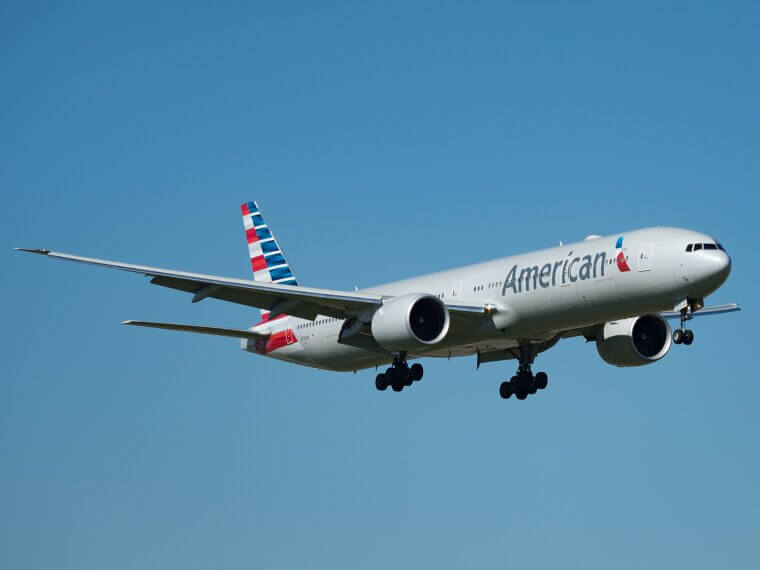
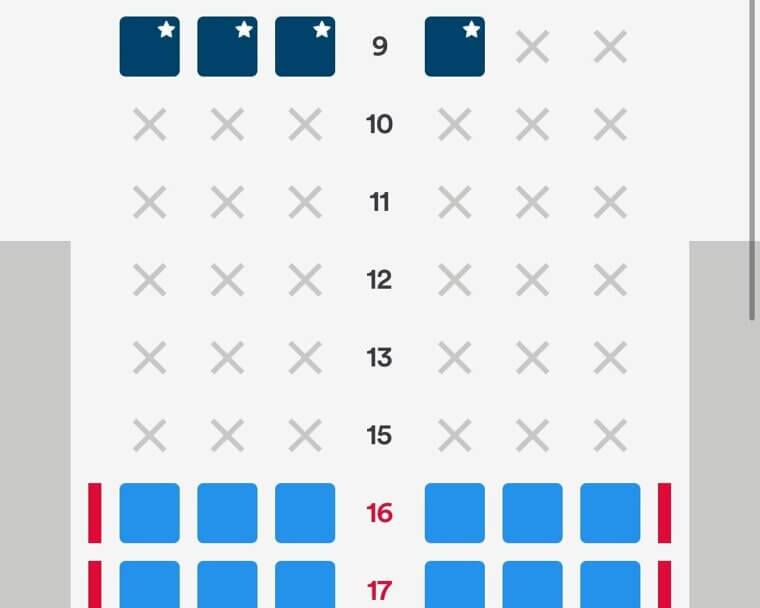
Skipping seat selection feels harmless when you are booking. You tell yourself a seat is a seat. Then boarding starts, and you realize you are wedged into the worst middle seat possible. Long flights suddenly feel much longer and far less enjoyable.
Uncomfortable travel can lead to buying last-minute upgrades or avoiding certain airlines later. Paying a small amount upfront for a better seat often saves money and frustration over time.
Uncomfortable travel can lead to buying last-minute upgrades or avoiding certain airlines later. Paying a small amount upfront for a better seat often saves money and frustration over time.
Overlooking Checked Bag Fees When Comparing Prices
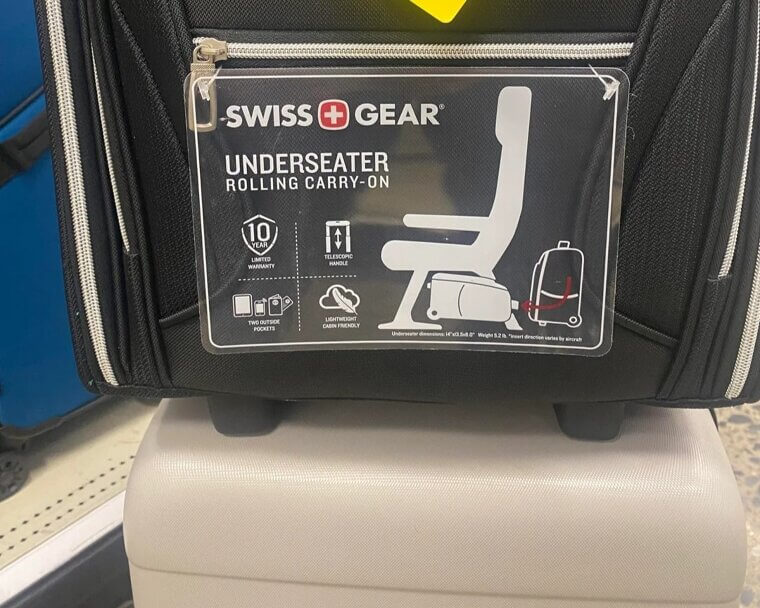
That flight deal looks amazing until you get to the baggage screen. Suddenly, there is a fee for a carry-on, another for a checked bag, and sometimes even one for overhead space. What looked cheap starts creeping up fast.
The real problem is that this happens every single trip. Those fees quietly pile up over time. Many people realize too late that a slightly higher fare with bags included would have cost less overall. Paying attention to the full price upfront saves money and avoids that annoying checkout surprise.
The real problem is that this happens every single trip. Those fees quietly pile up over time. Many people realize too late that a slightly higher fare with bags included would have cost less overall. Paying attention to the full price upfront saves money and avoids that annoying checkout surprise.
Booking Too Far in Advance Out of Fear
Booking flights way too early feels responsible, like locking things down before prices explode. The problem is that airlines change prices constantly, and the first fares released are not always the best ones. You might end up paying more than necessary just for peace of mind.
When you book too early, you also give up flexibility. Plans change, prices drop, and suddenly you are stuck. Waiting for a smart booking window often leads to better deals and options. Fear-based booking usually costs more than a little patience ever would.
When you book too early, you also give up flexibility. Plans change, prices drop, and suddenly you are stuck. Waiting for a smart booking window often leads to better deals and options. Fear-based booking usually costs more than a little patience ever would.

Not Tracking Price Drops After Booking
Once a flight is booked, a lot of people mentally check out and stop watching prices. That feels reasonable, but airlines change fares constantly. Price drops happen more often than you think, especially on popular routes. Some tickets allow you to reprice and get a credit, but only if you notice.
When you do not check, you quietly miss out on easy savings. A quick look every few days can turn into credit for a future trip. Ignoring price changes often means paying more than necessary without ever realizing it.
When you do not check, you quietly miss out on easy savings. A quick look every few days can turn into credit for a future trip. Ignoring price changes often means paying more than necessary without ever realizing it.